


Key Takeaways
- Start with pho – This iconic soup teaches you core Vietnamese techniques like charring aromatics, building layered broths, and balancing fish sauce with fresh herbs. Once you nail it, everything else clicks into place.
- Stock your pantry first – Five essential ingredients (fish sauce, hoisin, rice noodles, lemongrass, and star anise) unlock 80% of Vietnamese recipes. Quality fish sauce makes the biggest difference.
- Northern and Southern Vietnamese cuisines differ significantly – Northern pho is clear and subtle; Southern pho is sweeter with more garnishes. Knowing this helps you cook authentically.
- Fresh herbs aren’t optional – Thai basil, cilantro, and mint transform Vietnamese dishes from good to restaurant-quality. Buy them the day you cook.
- Most dishes take 30-60 minutes for weeknight cooking – Pho broth needs time (2+ hours), but banh mi, lemongrass chicken, and shaking beef all work for quick dinners.
- Protect your stovetop during high-heat cooking – Fish sauce splatters and caramelizing proteins create stubborn stains. A quality stove protector saves hours of scrubbing.
- Community wisdom matters – Reddit’s r/vietnamesefoodie and r/Cooking communities consistently recommend starting with thit kho tau (caramelized pork) because it’s forgiving and teaches you caramelization.
Introduction
The first time I made pho at home, I burned the ginger. Not a little char – completely blackened. The kitchen filled with smoke, my fire alarm went off, and I nearly gave up before I’d even started the broth.
But here’s what I learned after ruining that ginger: Vietnamese cooking is forgiving. That slightly over-charred ginger? It actually added a deeper, smokier note to my broth. And that’s the thing about Vietnamese cuisine – it rewards experimentation while teaching you fundamental techniques you’ll use forever.
Vietnamese food has exploded in popularity across the US, and for good reason. It’s fresh, balanced, and surprisingly accessible for home cooks. Those complex flavors you love at restaurants? They come from simple techniques and a handful of pantry staples you can find at most grocery stores.
This guide covers everything you need to start cooking Vietnamese food at home. We’ll walk through essential ingredients, core techniques, and four foundational recipes: classic pho, banh mi pork, Vietnamese lemongrass chicken, and shaking beef (bo luc lac). Whether you’ve never touched a bottle of fish sauce or you’re looking to level up your existing skills, you’ll find something useful here.
Why Vietnamese Cuisine Captivates Home Cooks
Vietnamese cooking operates on a principle that took me years to appreciate: balance is everything. Every dish aims for harmony between five flavors – salty, sweet, sour, bitter, and umami. When you taste a bowl of pho and can’t quite identify why it’s so satisfying, that’s the balance at work.
The Philosophy Behind the Food
Traditional Vietnamese meals center on rice or noodles, accompanied by vegetables, protein, and always – always – fresh herbs. There’s no heavy cream, minimal oil, and meat plays a supporting role rather than dominating the plate. The result is food that’s intensely flavorful but never weighs you down.
French colonial influence shows up in unexpected places. Banh mi uses baguettes. Pho’s bone broth technique mirrors French pot-au-feu. Coffee comes with sweetened condensed milk. This fusion created something entirely new – neither French nor traditionally Vietnamese, but uniquely both.
Regional Differences You Should Know
Northern Vietnamese cuisine (Hanoi-style) tends toward subtlety. Broths are clearer, seasoning is lighter, and dishes let individual ingredients shine. Pho from the north uses fewer garnishes and a more delicate broth.
Southern Vietnamese cuisine (Saigon-style) goes bolder. Expect sweeter flavors, more herbs, extra garnishes, and heavier use of fish sauce. Southern pho comes with a plate piled high with bean sprouts, Thai basil, lime wedges, and chili.
Central Vietnamese cuisine (Hue-style) brings the heat. This region’s famous for spicy dishes, complex royal court recipes, and unique preparations you won’t find elsewhere.
Understanding these differences matters when you’re following recipes. A “traditional” pho recipe from a Hanoi native looks nothing like one from someone who grew up in Saigon. Neither is wrong – they’re just different traditions.
Essential Vietnamese Pantry: What You Actually Need
Before you cook anything, stock your pantry. Good news: you need fewer ingredients than you’d think. Bad news: quality matters more than variety, especially for fish sauce.
The Non-Negotiables
Fish Sauce (Nuoc Mam) This is the backbone of Vietnamese cooking. Not all fish sauce is equal – cheap versions taste overly fishy and harsh. Look for Red Boat, Three Crabs, or Squid brand. Red Boat costs more but tastes cleaner and more nuanced. One bottle lasts months.
When I first started cooking Vietnamese food, I bought whatever fish sauce was cheapest. The dishes tasted… off. Not bad exactly, but not right. Switching to Red Boat made everything click. The difference is that significant.
Hoisin Sauce Sweet, thick, and essential for dipping sauces and marinades. Lee Kum Kee makes a reliable version available at most supermarkets. Once opened, refrigerate it.
Rice Noodles You’ll want both thin vermicelli (bun) for salads and wider flat noodles (banh pho) for pho. Dried noodles store indefinitely and cook in minutes.
Fresh Aromatics Lemongrass, ginger, garlic, and shallots form the aromatic base for most dishes. These don’t last long – buy them fresh for each cooking session. Frozen lemongrass works in a pinch but lacks the brightness of fresh.
Rice Paper For spring rolls. These translucent wrappers soften in warm water and require no cooking. Once you get the wrapping technique down, they’re incredibly versatile.
The Spice Cabinet
Star Anise – That distinctive pho flavor comes largely from star anise. It’s potent, so start with 2-3 whole pods per pot of soup.
Cinnamon Sticks – Vietnamese cinnamon (cassia) has a stronger, more pungent flavor than Ceylon cinnamon. Either works, but cassia tastes more authentic.
Coriander Seeds – Toast them lightly before adding to broths. The flavor blooms when heated.
Black Cardamom – Smoky and intense. One pod goes a long way. Optional but worth finding for authentic pho.
Whole Cloves – Used sparingly in broths. Two or three cloves per pot is plenty.
Fresh Herbs (Buy the Day You Cook)
This is where a lot of home cooks stumble. Dried herbs won’t work. Vietnamese cuisine relies on fresh herbs for brightness and contrast.
- Thai Basil – Purple stems, anise-like flavor. Not the same as Italian basil.
- Cilantro – Love it or hate it, it’s essential. If you’re cilantro-averse, you can reduce quantities but don’t skip entirely.
- Mint – Regular mint works fine. Spearmint if you can find it.
- Culantro (Ngo Gai) – Long serrated leaves with intense cilantro flavor. Optional but authentic.
Where to Shop
Asian grocery stores offer the best selection and prices for Vietnamese ingredients. H Mart, 99 Ranch, and local Vietnamese markets carry everything you need. For fish sauce and basics, Target and Whole Foods have expanded their Asian sections significantly.
Online retailers like Amazon and Weee! deliver harder-to-find items. Andrea Nguyen’s book recommendations (see Sources) include detailed shopping guides for specific products.
Core Techniques Every Vietnamese Cook Needs
Master these four techniques and you can tackle almost any Vietnamese recipe. They’re not difficult, but they are specific.
Charring Aromatics
That smoky depth in restaurant pho? It comes from charring ginger and onions before they hit the broth. You’ve got three options:
Open flame method: Hold ginger and halved onions with tongs directly over a gas burner. Rotate until charred on all sides, about 5 minutes total. This is traditional and gives the best flavor.
Broiler method: Place aromatics on a foil-lined baking sheet 4 inches from the broiler. Watch constantly – they go from charred to burnt fast. About 8-10 minutes, flipping halfway.
Dry skillet method: Heat a cast iron skillet until smoking. Add aromatics cut-side down. Press with a spatula. Takes longer (10-15 minutes) but works if you don’t have a gas stove.
After charring, rinse under cold water and scrub off the blackest bits. You want char marks, not ash.
Building Broths
Vietnamese broths simmer low and slow. Rushing produces cloudy, flat-tasting results. Here’s what matters:
- Blanch bones first – Boil beef or pork bones for 10 minutes, drain, and rinse thoroughly. This removes impurities and gives you a clearer broth.
- Skim religiously – For the first 30 minutes of simmering, skim foam every 5-10 minutes. After that, check periodically.
- Never boil – Keep your broth at a gentle simmer, with occasional bubbles breaking the surface. Rolling boils make cloudy broth.
- Add spices in stages – Aromatics go in early. Fish sauce and seasonings adjust at the end.
The Fish Sauce Balancing Act
Fish sauce is potent. A tablespoon transforms a dish; two tablespoons can ruin it. My approach: add half what the recipe calls for initially, then adjust at the end.
The balancing equation works like this:
- Too salty? Add a pinch of sugar and a squeeze of lime
- Too sweet? More fish sauce plus lime
- Too flat? Fish sauce is almost always the answer
- Too intense? Dilute with water or broth
Tasting as you cook is the only way to learn this. Every fish sauce brand has different salt levels, so you can’t follow recipes blindly.
High-Heat Searing
Shaking beef and many stir-fries require screaming hot pans. Home burners don’t match restaurant BTUs, so you compensate with technique:
- Dry your protein – Pat meat completely dry with paper towels. Moisture creates steam, which prevents browning.
- Small batches – Overcrowding drops pan temperature. Cook in 2-3 batches if needed.
- Don’t touch it – Let meat sear for 1-2 minutes before flipping. Constant stirring prevents browning.
- Heat your pan first – Add oil to an already-hot pan, then immediately add protein.
This is where stovetop protection becomes practical, not optional. Fish sauce splatters. Caramelizing proteins throws off smoke and oil. After one serious Vietnamese cooking session, you’ll understand why protecting your cooking surface matters.
Popular Vietnamese Recipes for Home Cooks
These four recipes represent different techniques and flavor profiles. Start with whichever appeals most – they’re all doable for beginners with some cooking experience.
Classic Beef Pho (Pho Bo)
This is the dish that hooked me on Vietnamese cooking. Yes, it takes time. Yes, it’s worth it. A good pho recipe teaches you techniques that transfer to dozens of other dishes.
Difficulty: Intermediate | Time: 3-4 hours (mostly hands-off) | Serves: 6-8 | Cost: Moderate
The Broth
- 4 lbs beef bones (marrow and knuckle work best)
- 2 lbs oxtail or beef shank (adds body and meat for serving)
- 1 large onion, halved
- 4-inch piece ginger, halved lengthwise
- 5 whole star anise
- 6 whole cloves
- 1 cinnamon stick
- 1 tablespoon coriander seeds
- 1 black cardamom pod (optional but recommended)
- 1/4 cup fish sauce, plus more to taste
- 1 tablespoon sugar
- Salt to taste
To Serve
- 1 lb dried rice noodles (banh pho)
- 1/2 lb eye of round or sirloin, sliced paper-thin
- Bean sprouts
- Thai basil sprigs
- Lime wedges
- Sliced jalapenos or Thai chilies
- Hoisin sauce
- Sriracha
Method
Blanch your bones first. Place bones and oxtail in a large pot, cover with cold water, and bring to a boil. Let boil for 10 minutes – the water will turn gray and nasty. That’s good. Drain, rinse bones under cold water, scrubbing off any clinging impurities. Wash your pot too.
While bones blanch, char your aromatics. Using tongs, hold onion halves and ginger directly over a gas flame until deeply charred on all sides, about 5 minutes each. Rinse and scrape off the blackest bits.
Toast your spices. In a dry skillet over medium heat, toast star anise, cloves, cinnamon, coriander, and cardamom until fragrant, about 2 minutes. Transfer to a spice bag or tie in cheesecloth.
Build the broth. Return bones to the clean pot with 6 quarts of water. Add charred aromatics and spice bag. Bring to a boil, then immediately reduce to a gentle simmer. Skim foam religiously for the first 30 minutes.
Let it simmer. Cook for 2-3 hours, skimming occasionally. The broth should be aromatic and slightly golden but still relatively clear.
Season the broth. Remove bones and aromatics. Add fish sauce and sugar. Taste and adjust – you want it savory but not overly salty. The noodles and raw meat will absorb seasoning.
Prep for serving. Soak rice noodles according to package directions. Slice raw beef as thin as possible (freezing it for 30 minutes first makes this easier).
Serve hot. Divide cooked noodles among bowls. Top with raw beef slices and any cooked meat from the broth. Ladle boiling broth over top – it will cook the raw beef instantly. Serve immediately with garnishes on the side.
Common Mistakes to Avoid
I’ve made all of these:
- Skipping the blanching step (results in murky broth)
- Boiling instead of simmering (cloudy, greasy broth)
- Adding too much fish sauce early (can’t undo it)
- Slicing beef too thick (won’t cook through from broth alone)
Time-Saving Tip: Make broth on the weekend and refrigerate for up to 5 days. Weeknight pho becomes a 20-minute dinner.
Vietnamese Lemongrass Chicken (Ga Nuong Sa)
This was the first Vietnamese recipe I could reliably get right every time. The lemongrass marinade is foolproof, and the technique is straightforward.
Difficulty: Easy | Time: 45 minutes + marinating | Serves: 4 | Cost: Low
Marinade
- 2 lbs chicken thighs (bone-in, skin-on for grilling; boneless for stir-fry)
- 4 stalks lemongrass, tender inner parts only, minced
- 6 cloves garlic, minced
- 2 shallots, minced
- 3 tablespoons fish sauce
- 2 tablespoons honey or brown sugar
- 1 tablespoon vegetable oil
- 1 teaspoon black pepper
- 1/2 teaspoon turmeric (optional, for color)
Method
Prep the lemongrass. This is where beginners struggle. Remove the tough outer layers (usually 2-3). Cut off the woody top two-thirds. You want only the tender pale bottom section, about 3-4 inches per stalk. Mince finely – lemongrass fibers can be unpleasant if left in large pieces.
Blend the marinade. Combine all marinade ingredients in a food processor and pulse until you have a rough paste. If you don’t have a food processor, mince everything as finely as possible and stir together.
Marinate the chicken. Coat chicken pieces thoroughly with marinade. Refrigerate at least 2 hours, preferably overnight. The fish sauce tenderizes while the aromatics infuse.
Cook your preferred way:
- Grill: Medium-high heat, 6-7 minutes per side for bone-in thighs. Internal temp should reach 165 degrees F.
- Pan-sear: Medium-high heat in a heavy skillet. Sear skin-side down first until golden, about 5 minutes. Flip and finish, another 5-6 minutes.
- Broil: 6 inches from heat, about 6-7 minutes per side.
Rest before serving. Let chicken rest 5 minutes before cutting. Serve over rice with nuoc cham dipping sauce.
Nuoc Cham (Essential Dipping Sauce)
- 3 tablespoons fish sauce
- 3 tablespoons warm water
- 2 tablespoons lime juice
- 2 tablespoons sugar
- 1 clove garlic, minced
- 1 Thai chili, sliced thin (optional)
Whisk everything until sugar dissolves. Adjust to taste. This sauce keeps refrigerated for about a week.
Experience Note: After making this dozens of times, I’ve learned that chicken thighs beat breasts every time. Breasts dry out during the high-heat cooking lemongrass chicken requires. If you must use breast meat, pound it to even thickness and watch it like a hawk.
Shaking Beef (Bo Luc Lac)
Bo luc lac means “shaking beef” – named for the wok-tossing technique used in cooking. This is Vietnamese-French fusion at its finest: tender beef cubes, high-heat seared, served over watercress with a tangy lime dressing.
Difficulty: Easy-Intermediate | Time: 30 minutes | Serves: 4 | Cost: Higher (uses filet or sirloin)
For the Beef
- 1.5 lbs filet mignon or sirloin, cut into 1-inch cubes
- 3 tablespoons vegetable oil, divided
- 4 cloves garlic, minced
- 2 tablespoons soy sauce
- 1 tablespoon fish sauce
- 1 tablespoon oyster sauce
- 1 teaspoon sugar
- 1/2 teaspoon black pepper
For the Salad Base
- 1 bunch watercress (or butter lettuce)
- 1/2 red onion, sliced thin
- 2 medium tomatoes, cut into wedges
Lime-Pepper Dipping Sauce
- Juice of 2 limes
- 1/2 teaspoon salt
- 1/2 teaspoon black pepper (coarse ground if you have it)
Method
Prep everything first. This dish moves fast once you start cooking. Cube beef and pat completely dry. Mince garlic. Slice onions. Mix soy sauce, fish sauce, oyster sauce, sugar, and pepper in a small bowl.
Make the dipping sauce. Combine lime juice, salt, and pepper. The pepper should be coarse enough to provide texture. Set aside.
Sear the beef. Heat a large skillet or wok over high heat until smoking. Add 2 tablespoons oil. Working in two batches, add beef in a single layer. Let it sear without moving for 1-2 minutes until deeply browned. Flip and sear another minute for medium-rare. Transfer to a plate.
Build the sauce. Reduce heat to medium. Add remaining tablespoon of oil and garlic. Cook 30 seconds until fragrant. Add the sauce mixture and let it bubble.
Finish the dish. Return beef to the pan and toss to coat with sauce, about 30 seconds. Remove from heat immediately – you want the beef to stay medium-rare inside.
Plate it up. Arrange watercress, onion, and tomato on plates. Top with beef and any pan juices. Serve lime-pepper sauce on the side.
The Secret: Really high heat. Your pan needs to be smoking before the beef goes in. Otherwise you’ll steam the meat instead of searing it, and you’ll miss that caramelized crust that makes shaking beef special.
Community Insight: According to discussions on Reddit’s r/Cooking community, the biggest mistake home cooks make with bo luc lac is overcrowding the pan. Better to cook in three small batches than one crowded batch.
Banh Mi Pork (Thit Nuong for Sandwiches)
Authentic banh mi requires grilled pork with a sweet-savory crust, quick-pickled vegetables, and a crispy baguette. This recipe focuses on the pork and pickles – the components that make or break the sandwich.
Difficulty: Easy | Time: 45 minutes + marinating | Serves: 6 sandwiches | Cost: Low
Grilled Pork
- 2 lbs pork shoulder, sliced 1/4 inch thick (or pork chops)
- 4 cloves garlic, minced
- 2 stalks lemongrass, minced
- 3 tablespoons fish sauce
- 2 tablespoons honey
- 1 tablespoon vegetable oil
- 1 teaspoon Chinese five-spice powder
- 1/2 teaspoon black pepper
Quick-Pickled Vegetables (Do Chua)
- 1 large carrot, julienned
- 1 daikon radish (about 8 oz), julienned
- 1 cup warm water
- 1/2 cup rice vinegar
- 1/4 cup sugar
- 1 teaspoon salt
To Assemble
- Baguettes (Vietnamese-style if available, or regular French)
- Mayonnaise
- Pate (optional but traditional)
- Fresh cilantro
- Sliced jalapenos
- Sliced cucumber
Method
Make pickles first. Dissolve sugar and salt in warm water and vinegar. Add julienned carrots and daikon. Let sit at least 30 minutes – longer is better, up to several days refrigerated.
Marinate the pork. Combine all pork ingredients and massage into meat. Marinate at least 1 hour, preferably 4-6 hours.
Grill or pan-fry. Cook pork over medium-high heat until charred on edges and cooked through, about 3-4 minutes per side. Let rest 5 minutes before slicing.
Prep baguettes. Slice horizontally, leaving one edge attached as a hinge. Toast lightly under the broiler or in a toaster oven.
Assemble. Spread mayonnaise on both cut sides. Add pate if using. Layer sliced pork, drained pickles, cucumber, cilantro, and jalapenos.
The Bread Matters: Vietnamese baguettes differ from French ones – they’re lighter, crispier, and shatter when you bite them. Look for them at Vietnamese bakeries or use a lighter French baguette. Dense, chewy bread won’t work.
Make-Ahead Tip: Pickles improve over time and last two weeks refrigerated. Make a big batch and use for multiple banh mi sessions.
Protecting Your Stovetop During Vietnamese Cooking
Here’s something no cookbook tells you: Vietnamese cooking gets messy. Fish sauce splatters. Caramelizing proteins throws off grease. Charring aromatics over open flames creates char debris. After my first serious attempt at a Vietnamese feast, I spent 25 minutes scrubbing and cleaning my stovetop.
Why Stovetop Protection Matters for This Cuisine
Gas stovetops are ideal for Vietnamese cooking – you need high heat for wok cooking and open flames for charring aromatics. But that means exposed burners, metal grates, and surfaces that collect every splatter.
Fish sauce is particularly problematic. Its salt content and sugars create stubborn stains that seem to bond with stainless steel. Combined with the oils from stir-frying and the char debris from toasting spices, Vietnamese cooking sessions can leave your stovetop looking rough.
A Practical Solution
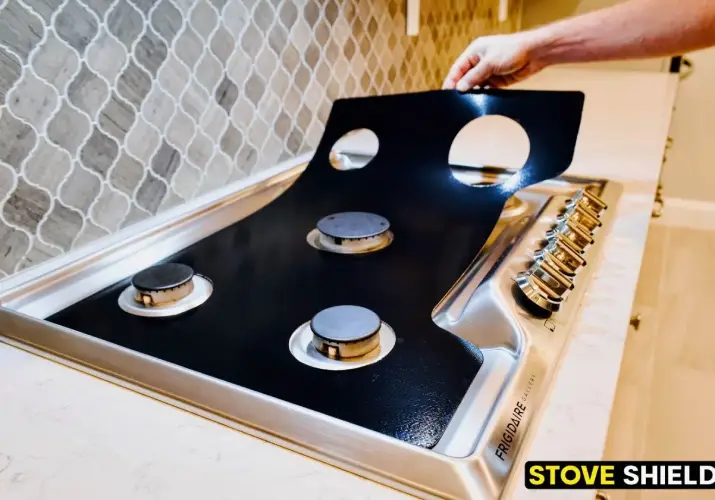
After ruining one too many cleaning sessions, I started using a stovetop protector from Stove Shield. It’s cut to fit my specific gas range, sits flat between the burner grates and the stovetop surface, and catches spills that would otherwise stain.
What I’ve noticed after several months of use:
- Spills wipe off easily – fish sauce, hoisin, caramelized drips – they all clean with a damp cloth
- My stovetop still looks new – no scratches from scrubbing rough sponges on the stainless steel surface
- Cleanup time dropped dramatically – from 20+ minutes to about 2
The protector doesn’t heat up (the grates get hot, but the protector stays away from the burner, flames and cookware), so after cooking I just wait for the grates to cool, then wipe down the protector or hand wash it at the sink. Much easier than scrubbing baked-on fish sauce from stainless steel.
Maintenance Note: Never put stovetop protectors in the dishwasher or soak them. Wipe clean or hand wash, and dry immediately. That maintains the shape and extends the life.
For home cooks serious about Vietnamese cuisine – or any cuisine involving high-heat cooking, frequent oil splatters, or aromatic char – protecting your cooking surface just makes sense. Prevention beats cleaning every time.
Vegetarian Adaptations for Vietnamese Recipes
Traditional Vietnamese cuisine includes plenty of naturally vegetarian options, and many meat-based dishes adapt well. Here’s what I’ve learned from cooking for vegetarian friends.
Naturally Vegetarian Classics
Goi Cuon (Fresh Spring Rolls) – Fill rice paper with tofu, vermicelli, lettuce, herbs, and cucumber. Serve with peanut dipping sauce.
Pho Chay (Vegetarian Pho) – Build broth from charred onions, ginger, star anise, mushrooms, and kombu (dried kelp). Add fried tofu and vegetables. The techniques transfer directly from beef pho.
Banh Xeo (Crispy Crepes) – The turmeric batter is naturally vegan. Fill with bean sprouts, mushrooms, and tofu instead of pork and shrimp.
Adapting Meat Recipes
For lemongrass chicken: Substitute extra-firm tofu, pressed and cubed. Marinate the same way but reduce marinating time to 1 hour (tofu absorbs faster). Pan-fry or bake at 400 degrees F until crispy, about 25 minutes.
For shaking beef: Use portobello mushrooms, cut into cubes and patted very dry. Sear the same way, working in batches. Mushrooms release moisture, so extra-high heat matters even more.
For pork banh mi: Try lemongrass-marinated grilled tofu or lemongrass-marinated seitan. The pickles and fresh vegetables remain the same.
The Fish Sauce Question
This is the trickiest part. Fish sauce is in almost everything, and there’s no perfect substitute. Options:
- Soy sauce + lime – Adds salt and some complexity, but lacks that fermented depth
- Mushroom sauce (vegetarian “oyster” sauce) – Better body than soy alone
- Coconut aminos – Lighter and slightly sweet, works in some dishes
- Vegan fish sauce – Brands like Oceans Halo make versions using seaweed. Worth trying if you cook vegetarian Vietnamese food often
None taste exactly like fish sauce, but they get you closer to the flavor profile. Adjust seasonings more carefully when substituting.
Common Beginner Mistakes (And How to Avoid Them)
I made every one of these when starting out. Learn from my failures.
In General
Not tasting as you cook. Vietnamese cuisine relies on balance. Recipes give starting points, but fish sauce varies in saltiness, limes vary in acidity, and personal preferences matter. Taste constantly. Adjust incrementally.
Skipping the mise en place. Vietnamese cooking moves fast once heat gets involved. Prep every ingredient before you turn on the stove. Your pho garnishes, your nuoc cham ingredients, your herbs – all ready to go.
Using cold ingredients. Take proteins out of the fridge 20-30 minutes before cooking. Cold meat hitting a hot pan drops the temperature and causes steaming instead of searing.
For Pho Specifically
Boiling instead of simmering. This ruins broth clarity. Once you’ve brought the pot to a boil and reduced to a simmer, keep it there. Bubbles should break the surface occasionally, not continuously.
Adding spices too early or in wrong quantities. Whole spices go in after the initial skim, and they go in a bag so you can remove them. Over-spiced pho tastes medicinal.
Serving tepid. Pho must be served boiling hot – that’s what cooks the raw beef. Heat your bowls. Bring broth to a rolling boil before ladling. Don’t let it sit.
For High-Heat Dishes
Overcrowding the pan. The number one killer of shaking beef and stir-fries. Cook in small batches. Leave space between pieces of meat.
Moving food too soon. Let it sear. Caramelization takes time. If you flip too early, you just get gray meat.
Not getting the pan hot enough. If oil doesn’t shimmer and nearly smoke when it hits the pan, it’s not hot enough. Patience before cooking pays off during cooking.
Shopping and Prep
Buying dried herbs. They won’t work. Vietnamese cuisine demands fresh Thai basil, mint, and cilantro. Plan your shopping accordingly.
Substituting Italian basil for Thai basil. They taste completely different. Thai basil has anise notes; Italian basil tastes like… Italian basil. Find the real thing.
Using pre-ground spices in broth. Whole spices release flavor slowly during simmering. Ground spices make broth cloudy and can turn bitter.
Conclusion
Vietnamese cuisine is more accessible than most people assume. Yes, there are techniques to learn. Yes, some dishes take time. But the fundamentals – charring aromatics, building balanced broths, searing at high heat – aren’t complicated once you’ve done them a few times.
Here’s my recommendation for getting started:
Week 1: Stock your pantry. Get good fish sauce (Red Boat or Three Crabs), buy rice noodles, and find a source for fresh lemongrass and Thai basil.
Week 2: Make the lemongrass chicken. It’s forgiving, delicious, and teaches you the marinade-and-grill technique common to many Vietnamese dishes. Serve it with rice and nuoc cham.
Week 3: Tackle pho. Do it on a weekend when you have time. The broth simmers for hours but requires minimal attention. The experience of building that broth teaches you more about Vietnamese cooking than any recipe can describe.
Week 4: Try shaking beef or banh mi pork. Both develop your high-heat searing skills and give you dishes that come together quickly for weeknight dinners.
From there, explore. Vietnamese cuisine is vast – we’ve barely scratched the surface here. But with these foundations, you can follow any recipe with confidence.
One practical tip: protect your stovetop before you start. Fish sauce stains, high-heat searing splatters, and charring creates debris. A quality stove protector saves hours of scrubbing and keeps your cooking surface looking new. It’s a small investment that pays off every time you cook.
The Reddit community at r/vietnamesefoodie is worth following for ongoing inspiration. Users there consistently recommend starting with thit kho tau (caramelized pork) because it’s forgiving for beginners and teaches caramelization techniques essential to Vietnamese cooking.
Most importantly: don’t stress about perfection. My burned-ginger pho still tasted good. Your first attempts will too. Vietnamese home cooking is meant to be satisfying, not stressful. Get in the kitchen and start cooking.
Sources
- Andrea Nguyen – Viet World Kitchen – Comprehensive resource from James Beard Award-winning author; essential for authentic recipes and technique guidance
- Quora: Best recipe books for Vietnamese food – Community recommendations for Andrea Nguyen’s books and regional cookbook suggestions
- Reddit r/Cooking: Favorite Vietnamese meals to cook at home – User experiences with bo luc lac technique and common home cooking challenges
- The Woks of Life: Vietnamese Cuisine Guide – Cross-cultural Asian cooking resource with detailed ingredient guides
- Bon Appetit: Essential Vietnamese Pantry – Fish sauce brand comparisons and pantry stocking recommendations
- Serious Eats: The Food Lab’s Pho Guide – J. Kenji Lopez-Alt’s scientific approach to building pho broth; cited for blanching and skimming techniques
- Reddit r/vietnamesefoodie: Simple Vietnamese dishes for beginners – Community discussions recommending thit kho tau and other beginner-friendly recipes
About the Author
Ben Karlovich is an expert in the stove niche and has spent his career creating products and accessories that enhance household kitchen stoves. In 2016 he launched stovedecals.com(Stove Decals brand) and was the first to create and offer replacement stove decals across thousands of stove models. In 2022 he created stoveshield.com (Stove Shield brand) focused on stove top protectors, a patented knob panel protector, and other useful stove accessories fitted for your exact stove model. This niche expertise helps bring a unique blend of creativity and innovation to every article post.
Disclaimer: This article is for informational and educational purposes only and should not be relied upon as the sole basis for purchasing decisions. Product specifications, pricing, and availability are subject to change – contact the relevant manufacturer or retailer for the most current information. Stove Shield is not affiliated with and receives no compensation from any brands mentioned in this article.