

Key Takeaways
- Indoor air pollution is a real health threat: VOC levels inside your home average 2-5x higher than outdoors, and during cleaning activities, concentrations can spike to 1,000x outdoor levels according to EPA research.
- Children face the highest risk: Kids spend 80-90% of their time indoors and are more vulnerable to chemical exposure due to their developing bodies and behaviors like crawling on floors.
- Pets require extra protection: The ASPCA reports that common cleaning products cause thousands of pet poisonings annually, with dryer sheets and fabric softeners containing chemicals that cause severe burns in animals.
- Simple alternatives work: White vinegar, baking soda, and castile soap handle most kitchen cleaning tasks without the health risks of conventional products.
- Look for trusted certifications: EPA Safer Choice, EWG VERIFIED, and MADE SAFE labels indicate products that meet strict safety standards for families.
- Prevention beats cleaning: Using stovetop protectors significantly reduces how often you need to clean, cutting your family’s chemical exposure by limiting scrubbing sessions in poorly ventilated spaces.
- Emergency numbers matter: Keep ASPCA Poison Control (888-426-4435) and Poison Control (1-800-222-1222) saved in your phone before you need them.
Introduction
Your kitchen should feel like the safest room in your house. It’s where you prepare meals for your family, where kids do homework at the counter, where pets wait hopefully for dropped scraps. But here’s something most people don’t realize: that fresh, clean scent after wiping down counters? It often signals chemicals floating in the air your family breathes.
Chemical free kitchen cleaning isn’t about being paranoid or jumping on a wellness trend. It’s about making practical choices backed by real science. The EPA ranks indoor air quality among the top five environmental health risks Americans face. And kitchens, with their combination of cooking fumes and cleaning products in a confined space, often have the worst indoor air quality in the home.
This guide walks you through everything you need to know about creating a cleaner kitchen environment. You’ll learn which chemicals to avoid, what alternatives actually work, and how to protect the most vulnerable members of your household: children, pets, and family members with allergies or chemical sensitivities.
Why Household Cleaning Chemicals Deserve Your Attention
Most of us grew up believing that strong-smelling cleaners work better. That if it doesn’t smell like chemicals, it’s not really cleaning. This couldn’t be further from the truth, and the science is clear about the risks.
The Indoor Air Quality Problem
Americans spend roughly 90% of their time indoors, according to EPA data. That’s a lot of hours breathing whatever’s in your home’s air. Indoor VOC (volatile organic compound) levels typically run 2-5 times higher than outdoor concentrations. But here’s the number that should stop you cold: during and immediately after cleaning activities, VOC levels can reach 1,000 times higher than outdoor air.
That statistic comes from the EPA’s TEAM (Total Exposure Assessment Methodology) Study, one of the most thorough investigations into indoor air pollution ever conducted. The research found that cleaning products contribute significantly to indoor air contamination, and the effects linger long after you’ve put the spray bottle away.
What Science Tells Us About Health Risks
A 2023 study published in Chemosphere tested 30 common cleaning products and found they released hundreds of hazardous VOCs into the air. Even products marketed as “green” or “natural” emitted concerning chemical combinations.
The American Lung Association warns that cleaning product exposure causes respiratory issues, headaches, and can trigger asthma attacks. For people who clean professionally or frequently, the risks compound over time. Research from Harvard School of Public Health found that regular exposure to cleaning chemicals raises the risk of developing asthma and other respiratory conditions.
And there’s one combination you should never, ever make: mixing bleach with ammonia. The American Lung Association notes this creates toxic gases that can cause death. Yet many people don’t realize how many products contain these ingredients.
Vulnerable Populations: Who’s Most at Risk?
Not everyone faces equal risk from household chemicals. Some family members need extra protection.
Children: Small Bodies, Big Exposure
Kids aren’t just small adults when it comes to chemical exposure. They face unique vulnerabilities that make protecting them especially important.
The American Academy of Pediatrics reports that children spend 80-90% of their time indoors. Their developing bodies process chemicals differently than adult systems. They breathe faster relative to their body weight, meaning they inhale more airborne chemicals per pound. And their behaviors, like crawling on recently cleaned floors, putting hands in mouths, and playing close to the ground where heavier chemicals settle, increase exposure dramatically.
The World Health Organization estimates that 33% of disease in children under five stems from environmental exposures. That’s a sobering statistic. Indoor pollutant levels can reach 100 times higher than outdoor concentrations according to NIH research, and children spend most of their time in these environments.
The AAP specifically recommends that families with children avoid products containing synthetic fragrances and consider simple alternatives like vinegar and baking soda solutions.
Pets: The Forgotten Victims
Your dog walking across a freshly mopped floor. Your cat grooming herself after lying on a cleaned counter. These everyday scenarios can lead to serious poisonings.
The ASPCA Animal Poison Control Center has documented the dangers pets face from common cleaning products. Dryer sheets and fabric softeners contain cationic detergents that cause severe chemical burns in animals’ mouths and esophagus. Bleach causes mouth and esophageal injury when pets walk through residue and groom their paws.
Pet Poison Helpline identifies the most dangerous household cleaners for pets:
- Rust removers: Often contain hydrochloric acid
- Toilet bowl cleaners: Highly caustic formulations
- Drain cleaners: Severe burns on contact
- Oven cleaners: Contains sodium hydroxide (lye)
Birds deserve special mention. They’re extremely sensitive to aerosolized products because of their efficient respiratory systems. Using spray cleaners near bird cages can be fatal.
Allergy Sufferers and Chemical Sensitivities
For the estimated 50 million Americans with allergies, cleaning products present a double challenge. Many formulations contain known allergens and irritants that trigger reactions ranging from mild discomfort to severe respiratory distress.
Common cleaning product ingredients that cause allergic reactions include:
- Fragrances: The single biggest culprit, often containing dozens of undisclosed chemical compounds
- Methylisothiazolinone: A preservative that’s a documented contact allergen
- Sodium lauryl sulfate: Can cause skin irritation and eczema flares
- Ammonia: Respiratory irritant for sensitive individuals
People with asthma face particular challenges. The CDC reports significant disparities in asthma outcomes, with Black children 2-3 times more likely to be hospitalized and 5 times more likely to die from asthma than white children. Environmental factors, including indoor air quality, play a documented role in these outcomes.
For anyone managing allergies or chemical sensitivities, fragrance-free and EWG-verified products offer the safest options. Even “unscented” products may contain masking fragrances that can trigger reactions.
Understanding VOCs and Indoor Air Quality
You’ve probably heard the term VOC without knowing exactly what it means for your health. Let’s fix that.
What VOCs Actually Are
Volatile Organic Compounds are chemicals that easily become gases at room temperature. When you smell that “clean” scent after using a product, you’re smelling VOCs evaporating into your air. Some common VOCs in cleaning products include:
- Formaldehyde: A known carcinogen found in some disinfectants
- Benzene: Found in some degreasers and spot cleaners
- Toluene: Common in some polish and adhesive products
- Ethylene glycol: Found in some all-purpose cleaners
- Limonene: Often in citrus-scented products (yes, even “natural” ones)
The EPA’s research on indoor air quality identifies cleaning products as major contributors to indoor VOC concentrations. These chemicals don’t just disappear after cleaning; they linger in your home’s air, absorbed into fabrics, carpets, and surfaces.
Health Effects of VOC Exposure
Short-term exposure to elevated VOC levels can cause:
- Headaches and dizziness
- Eye, nose, and throat irritation
- Nausea
- Fatigue
- Allergic skin reactions
Long-term exposure concerns include:
- Damage to liver, kidney, and central nervous system
- Some VOCs are known or suspected carcinogens
- Respiratory disease development
- Chronic headaches and cognitive effects
Reducing VOC Exposure in Your Kitchen
Practical steps to minimize VOC exposure when cleaning:
- Ventilate: Open windows and use exhaust fans when cleaning
- Switch products: Choose low-VOC or VOC-free alternatives
- Clean less often: Prevention strategies reduce cleaning frequency
- Time it right: Clean when family members can leave the area
- Store smart: Keep cleaning products in well-ventilated areas, not under the kitchen sink
Chemicals to Avoid: A Practical Guide
Not all cleaning product ingredients carry equal risk. Here’s what to watch for on labels and why each matters.
High-Priority Chemicals to Eliminate
Ammonia Found in: Glass cleaners, multi-surface sprays, oven cleaners Risks: Respiratory irritation, can cause chemical burns, deadly when mixed with bleach Better alternative: White vinegar solution for glass and surfaces
Chlorine Bleach (Sodium Hypochlorite) Found in: Disinfectants, mold removers, toilet cleaners Risks: Respiratory damage, skin burns, produces toxic gases when mixed with acids or ammonia Better alternative: Hydrogen peroxide (3%) for disinfecting
Quaternary Ammonium Compounds (Quats) Found in: Disinfectant sprays, antibacterial cleaners, fabric softeners Risks: Skin irritation, respiratory issues, may contribute to antibiotic resistance Better alternative: Soap and water for most cleaning needs
Phthalates Found in: Fragranced products (often listed simply as “fragrance”) Risks: Hormone disruption, linked to reproductive issues Better alternative: Fragrance-free products or essential oils used sparingly
Sodium Hydroxide (Lye) Found in: Oven cleaners, drain openers Risks: Severe chemical burns on contact Better alternative: Baking soda paste for oven cleaning, enzyme-based drain maintainers
How to Read Labels
Cleaning product manufacturers aren’t required to disclose all ingredients. The word “fragrance” alone can represent dozens of chemical compounds. When shopping, look for:
- Complete ingredient disclosure
- Third-party certifications (EPA Safer Choice, EWG VERIFIED)
- Absence of warning symbols
- No “may cause respiratory irritation” warnings
If a product lists “fragrance” or “parfum” without specifics, assume it contains phthalates and synthetic chemicals. Companies using safe fragrances typically list the actual ingredients.
Safe Cleaning Alternatives That Actually Work
You don’t need harsh chemicals for a clean kitchen. These alternatives handle most tasks effectively.
DIY Solutions
All-Purpose Cleaner Mix equal parts white vinegar and water in a spray bottle. Add a few drops of dish soap if you want extra grease-cutting power. Works on counters, stovetops, appliances, and most surfaces. Don’t use on natural stone (the acid can etch marble and granite).
Degreaser Baking soda paste handles stubborn grease. Mix baking soda with enough water to form a paste, apply to greasy areas, let sit 15 minutes, then wipe clean. For really tough grease, spray with vinegar after applying the paste for fizzing action.
Disinfectant Hydrogen peroxide (3% solution from the pharmacy) works as a disinfectant without toxic residue. Spray on surfaces, let sit 5-10 minutes, wipe clean. Don’t mix with vinegar in the same bottle, though you can use them separately.
Glass Cleaner Mix 1 cup water with 1 cup white vinegar and 1 tablespoon cornstarch. The cornstarch prevents streaking. Shake before each use.
Drain Maintainer Pour 1/2 cup baking soda down the drain, followed by 1/2 cup vinegar. Let fizz for 15 minutes, then flush with hot water. Do this monthly to prevent buildup.
Trusted Commercial Products
When DIY isn’t practical, these brands offer safer formulations:
- Seventh Generation: Widely available, EPA Safer Choice certified options
- ECOS: Plant-based formulas, transparent ingredient lists
- Branch Basics: Concentrate system reduces waste and exposure
- Dr. Bronner’s: Castile soap works for dozens of cleaning tasks
- Puracy: Developed by doctors, plant-based ingredients
- Blueland: Tablet system eliminates plastic and shipping water
- Method: Available at most stores, cleaner ingredient profiles
Community feedback on Reddit’s cleaning forums consistently recommends Branch Basics concentrate and Dr. Bronner’s castile soap as versatile, effective options for families switching to non-toxic cleaning. Many users report that simple vinegar solutions handle most kitchen tasks better than expected.
Certifications Worth Trusting
With so many products claiming to be “natural” or “green,” third-party certifications help cut through the marketing.
EPA Safer Choice
The Environmental Protection Agency’s Safer Choice program reviews every ingredient in certified products. Products earning this label have been evaluated by EPA scientists to ensure they’re safer for human health and the environment. Look for the Safer Choice logo, especially for products you’ll use frequently.
EWG VERIFIED
The Environmental Working Group’s verification mark means a product:
- Meets strict health standards
- Provides full ingredient transparency
- Avoids EWG’s chemicals of concern
- Has been reviewed by EWG scientists
The EWG Guide to Healthy Cleaning rates thousands of products and is a useful resource when shopping.
MADE SAFE
This certification screens products against a thorough list of known harmful chemicals, including carcinogens, developmental and reproductive toxins, and environmental pollutants. MADE SAFE certified products have passed human health and ecosystem testing.
Other Trustworthy Labels
- USDA BioPreferred: Indicates plant-based content
- Green Seal: Environmental certification with health considerations
- Leaping Bunny: Cruelty-free certification (doesn’t guarantee safety but indicates ethical production)
What These Certifications Don’t Mean
A product without certification isn’t necessarily unsafe. Some excellent smaller brands haven’t pursued expensive certification processes. But certifications offer reassurance when you’re standing in a store aisle trying to make quick decisions.
Kitchen-Specific Cleaning Guide
Different kitchen surfaces need different approaches. Here’s how to handle each area safely.
Countertops
Laminate and Solid Surface (Corian, etc.) Vinegar and water solution works perfectly. For disinfecting after handling raw meat, spray with hydrogen peroxide, wait 5 minutes, wipe clean.
Granite, Marble, and Natural Stone Skip the vinegar, as acidic solutions can etch these surfaces. Use diluted castile soap instead. For disinfecting, use isopropyl alcohol (70%) which evaporates cleanly.
Butcher Block Clean with diluted dish soap, dry immediately. Periodically sanitize with salt and lemon scrub. Apply food-grade mineral oil monthly to maintain the wood.
Stovetops and Range Hoods
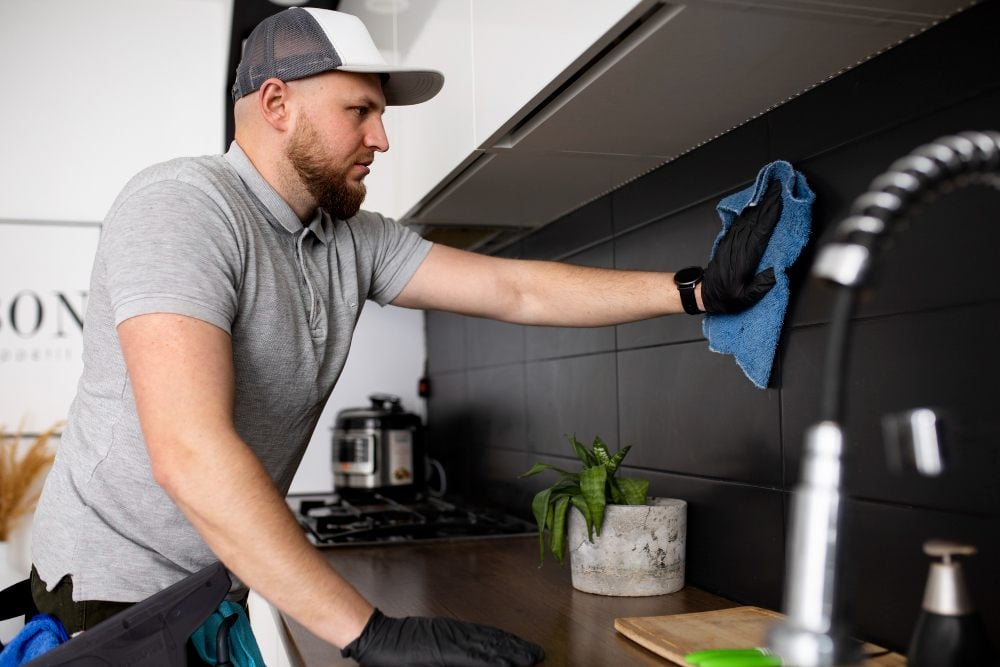
Gas stovetops accumulate grease and food residue quickly. Baking soda paste tackles baked-on messes without scratching surfaces. For regular cleaning, a damp cloth usually suffices.
Range hoods and filters trap grease that becomes harder to clean over time. Soak removable filters in hot water with dish soap monthly. Wipe exterior surfaces with vinegar solution.
Appliances
Refrigerator Clean interior with baking soda solution (2 tablespoons per quart of warm water). This removes odors and cleans without leaving residues that contact food.
Dishwasher Run empty with 1 cup white vinegar monthly to remove buildup. Wipe door seals with baking soda paste to prevent mold.
Microwave Heat a bowl of water with lemon slices for 3 minutes. The steam loosens stuck-on food, and you just wipe it away.
Oven Baking soda paste left overnight handles most oven cleaning without toxic fumes. Spray with vinegar in the morning, wipe clean. Takes more effort than chemical oven cleaners but eliminates the health risks entirely.
Floors
Most kitchen floors clean well with diluted castile soap or plain water with a splash of vinegar. Hot water alone handles light daily cleaning. Save soap for deeper weekly cleaning.
For pet households, ensure floors are completely dry before allowing animals to walk on them. Even non-toxic cleaners can irritate paw pads when wet.
Prevention Strategy: A Life With Less Cleaning Chemicals
Here’s a concept that changes everything: the best way to reduce cleaning chemical exposure from cleaning is to reduce how often you need to clean in the first place.
The Prevention Mindset
Every time you scrub baked-on stovetop mess, you’re spending time in a poorly ventilated space with cleaning products. Even if those products are non-toxic, you’d rather be doing something else. Prevention tools protect your surfaces AND reduce your total cleaning burden.
Stovetop Protection
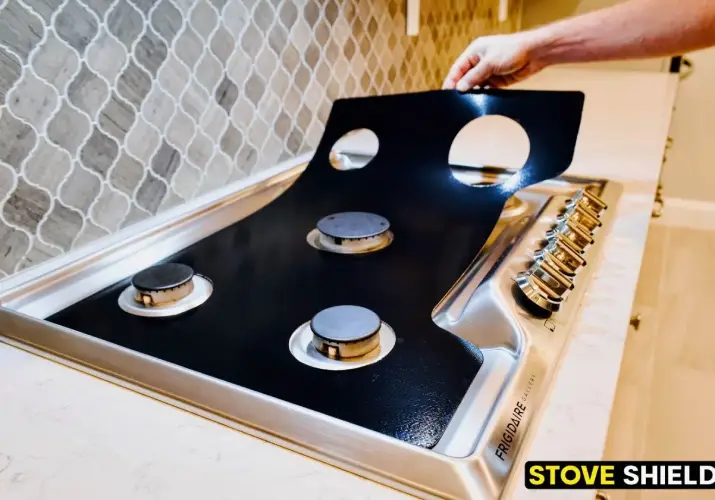
Stovetop protectors represent one of the easiest solutions for families aiming to reduce the use of cleaning sprays. Here’s the logic: spills happen every time you cook. Without protection, those spills bake onto your stovetop surface, requiring scrubbing, cleaning products, and time to remove. With a protector in place, you simply wipe the protector clean or lift it off for quick hand washing.
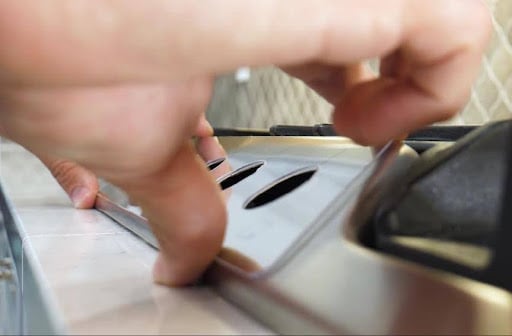
Stove Shield offers custom-fit stovetop protectors designed specifically for your stove model. Their custom-fit stove covers protect the stovetop surface, preventing spills from reaching the stovetop underneath. The PTFE-coated non-stick fiberglass material handles heat up to 500 degrees F and wipes clean easily, without the need for harsh cleaning sprays.
Key features that matter for health-conscious families:
- BPA-free and PFOA-free materials with heat thresholds of 500 degrees F
- Reduces cleaning frequency: Instead of weekly scrubbing sessions, occasional wipe-downs handle most maintenance
- 365-day guarantee: Confidence in durability
Stove Shield fits popular brands including Whirlpool,GE,Frigidaire, Bosch, and Samsung. The custom-fit design means no cutting or adjusting.
Proper care for stovetop protectors:
- Wipe down on the stovetop with a damp cloth for regular cleaning
- Hand wash at the sink for deeper cleaning
- Never put in the dishwasher or soak
- Dry immediately to maintain shape
- Wait for grates to cool before removing the protector
Online Resources
- EPA Safer Choice Product List
- EWG Guide to Healthy Cleaning
- American Lung Association Cleaning Safety
- ASPCA Toxic and Non-Toxic Plant List
When to Seek Medical Attention
For humans, seek immediate medical care if someone:
- Has difficulty breathing after chemical exposure
- Experiences chemical burns on skin or in eyes
- Ingests any cleaning product
- Develops severe headache, dizziness, or confusion after cleaning
For pets, contact your vet or poison control if your animal:
- Drools excessively or foams at the mouth
- Vomits or has diarrhea after exposure
- Shows difficulty breathing
- Displays lethargy or unusual behavior
- Has visible burns on paws, mouth, or skin
Making the Transition: Your Action Plan
Switching to chemical free kitchen cleaning doesn’t require throwing everything out at once. Here’s a practical approach.
Week 1: Assess and Remove High-Risk Items
Go through your cleaning supplies. Consider immediately removing:
- Any product containing ammonia
- Bleach-based cleaners
- Oven cleaners with sodium hydroxide
Week 2: Stock Basic Alternatives
Purchase or prepare:
- White vinegar (gallon jug from grocery store)
- Baking soda
- Castile soap
- Hydrogen peroxide (3% solution)
- Spray bottles for DIY solutions
Week 3: Test and Adjust
Try your new cleaning routine. Most people find that simple solutions work better than expected. Note any surfaces or messes that seem to need something stronger.
Ongoing: Prevention Focus
Invest in prevention tools that reduce your cleaning burden. A stovetop protector means fewer scrubbing sessions.
Conclusion
Chemical free kitchen cleaning protects the people and pets you love most. The science is clear: indoor air quality matters, and cleaning products contribute significantly to indoor pollution. Children, pets, and allergy sufferers face the highest risks, but everyone benefits from reducing chemical exposure.
The good news? Making this switch doesn’t mean living with a dirty kitchen. Simple ingredients like vinegar, baking soda, and castile soap handle most cleaning tasks effectively. When you need commercial products, trusted certifications like EPA Safer Choice and EWG VERIFIED help you choose safely.
Prevention strategies make the biggest difference long-term. Every mess you prevent is a cleaning session you skip.
Start this week. Pick one product to replace. Try a DIY solution for your counters. Look into stovetop protectors for your stovetop. Small changes add up to a significantly improved environment for your entire family.
Your kitchen can be both clean and convenient. Now you know how to make it happen.
Sources
- EPA – Volatile Organic Compounds’ Impact on Indoor Air Quality – Indoor VOC levels and health impacts research
- American Lung Association – Cleaning Supplies and Household Chemicals – Health risks of cleaning product exposure
- American Academy of Pediatrics – Indoor Air Pollutants – Children’s environmental health guidance
- ASPCA Animal Poison Control – Poisonous Household Products – Pet toxicity information for cleaning products
- EWG News Release – Cleaning Products Emit Hundreds of Hazardous Chemicals – 2023 Chemosphere study findings
- NIH/PubMed – Indoor Air Quality Study – Research on indoor pollutant levels vs outdoor
- Harvard School of Public Health – Cleaning Products and Respiratory Health – Asthma and respiratory risk research
- Pet Poison Helpline – Safe Spring Cleaning – Pet safety guidance for cleaning
- EWG Guide to Healthy Cleaning – Product ratings and certification information
- Reddit: r/simpleliving – Non-toxic cleaning discussion – Community experiences with natural cleaning routines
About the Author
Ben Karlovich is an expert in the stove niche and has spent his career creating products and accessories that enhance household kitchen stoves. In 2016 he launched stovedecals.com(Stove Decals brand) and was the first to create and offer replacement stove decals across thousands of stove models. In 2022 he created stoveshield.com (Stove Shield brand) focused on stove top protectors, a patented knob panel protector, and other useful stove accessories fitted for your exact stove model. This niche expertise helps bring a unique blend of creativity and innovation to every article post.
Disclaimer: This article is for informational and educational purposes only and should not be relied upon as the sole basis for purchasing decisions. Product specifications, pricing, and availability are subject to change – contact the relevant manufacturer or retailer for the most current information. Stove Shield is not affiliated with and receives no compensation from any brands mentioned in this article.