


There’s something about the smell of butter sizzling in a cast iron skillet that stops you in your tracks. Maybe it takes you back to Sunday dinners at your grandmother’s house, or those rainy evenings when nothing but a bowl of mac and cheese would do. That’s the magic of American comfort food.
These aren’t fancy restaurant dishes. They’re the meals that have fed generations of families through good times and hard ones. And here’s the thing: making them at home is easier than you might think.
In this guide, you’ll find everything from the history behind these beloved dishes to practical recipes you can make tonight. We’ll cover the classics that belong in every home cook’s rotation, share tips for getting them just right, and even tackle the inevitable mess that comes with real comfort cooking.
What Makes American Comfort Food So Special
American comfort food isn’t really about following recipes to the letter. It’s about warmth, nostalgia, and that satisfying feeling when you push back from the table completely full.
According to food historians at the Smithsonian, comfort food in America evolved from a melting pot of immigrant traditions mixed with regional ingredients. The result? A uniquely American cuisine that varies from coast to coast but shares one common thread: it makes you feel at home.
The classics typically share a few characteristics:
- Hearty and filling – We’re talking carbs, protein, and usually some form of cheese or gravy
- Simple ingredients – Nothing exotic, just pantry staples done right
- Nostalgic connections – These are dishes tied to memories, not just hunger
- Forgiving to cook – Most comfort food is hard to mess up completely
When you ask Americans about their go-to comfort foods, the answers are remarkably consistent. Mac and cheese, fried chicken, meatloaf, pot roast, and grilled cheese topped the list in a Reddit discussion where home cooks shared their favorites. One user put it perfectly: “Comfort food is whatever your mom made when you were sick as a kid.”
Regional Comfort Food Traditions Across the U.S.
One of the beautiful things about American comfort food is how it changes depending on where you are. The same basic ingredients get transformed by local traditions and tastes.
Southern Comfort Classics
The South takes comfort food seriously. Fried chicken with all its crispy, juicy glory originated here, along with biscuits and gravy, collard greens, and shrimp and grits. Southern cooking tends toward bold seasoning and isn’t shy about butter or bacon drippings.
Midwest Heartland Favorites
In the Midwest, comfort food often means casseroles. Tater tot hotdish, chicken and noodles, and creamy corn dishes dominate family tables. The cooking style here is practical and designed to stretch ingredients while feeding a crowd.
Northeast Traditions
Head to the Northeast and you’ll find clam chowder, pot roast, and chicken pot pie. These dishes reflect the region’s colder climate and history of hearty, warming meals that get you through long winters.
Southwest Influences
The Southwest brings chile peppers and Tex-Mex flavors into the comfort food mix. Green chile stew, enchiladas, and chili con carne offer a spicier take on American comfort classics.
Essential Comfort Food Recipes for Your Kitchen
Now for the good part: the recipes. I’ve tested these in my own kitchen more times than I can count, and they’re the versions that actually work for home cooks with busy lives.
Homestyle Scrambled Eggs with Crispy Skillet Potatoes
Serves: 4 Prep Time: 10 minutes Cook Time: 25 minutes Difficulty: Easy
This is weekend breakfast done right. The key to great scrambled eggs is low heat and patience. Rush them and you get rubber.
Ingredients:
- 8 large eggs
- 3 tablespoons butter, divided
- 2 large russet potatoes, diced into 1/2-inch cubes
- 3 tablespoons vegetable oil
- 1/2 medium onion, diced
- Salt and freshly ground black pepper
- Fresh chives for garnish (optional)
Instructions:
- Start with the potatoes. Heat oil in a large skillet over medium-high heat. Add diced potatoes in a single layer and let them cook undisturbed for 4-5 minutes until the bottom gets golden.
- Flip the potatoes, season with salt and pepper, and continue cooking another 8-10 minutes until tender and crispy on all sides. Starchy potatoes and oil can leave residue on your stovetop, so many experienced cooks use a stovetop protector for easier cleanup afterward.
- Add onions during the last 3 minutes of cooking. Remove everything to a plate.
- For the eggs: Wipe out the skillet and melt 2 tablespoons butter over low heat. Beat eggs with a pinch of salt. Pour into the pan and stir slowly with a spatula, pushing curds from the edges to the center.
- Remove from heat while eggs still look slightly wet (they’ll finish cooking from residual heat). Stir in the remaining tablespoon of cold butter for extra creaminess.
Pro Tips:
- Cold butter at the end stops the cooking and adds richness
- Don’t salt eggs until after cooking to keep them tender
- Yukon Golds work if you want creamier potatoes
Classic Skillet Cheeseburgers
Serves: 4 Prep Time: 10 minutes Cook Time: 15 minutes Difficulty: Easy
You don’t need a grill for a great burger. A screaming hot cast iron skillet gives you that restaurant-quality crust at home.
Ingredients:
- 1.5 pounds ground beef (80/20 blend works best)
- Kosher salt and black pepper
- 4 slices American or cheddar cheese
- 1 tablespoon vegetable oil
- 4 brioche or potato buns, toasted
- Your favorite toppings
Instructions:
- Divide beef into 4 equal portions. Form into patties slightly larger than your buns (they shrink). Press a small indent into the center of each patty to prevent puffing.
- Season patties generously with salt and pepper on both sides.
- Heat oil in a cast iron skillet over medium-high heat until it just starts to smoke. Place patties in the pan without crowding. High-heat cooking produces grease splatter, so having a stovetop protector in place saves scrubbing later.
- Cook 3-4 minutes per side for medium. Add cheese during the last minute, cover with a lid to melt.
- Toast buns in the same pan with a little butter. Assemble and devour.
What I’ve Learned Making These:
- Don’t press down on the patties while cooking (that squeezes out the juices)
- Let the meat come to room temperature before cooking for even results
- A little mayo mixed with ketchup makes an easy “special sauce”
Stovetop Chicken and Gravy
Serves: 4 Prep Time: 15 minutes Cook Time: 45 minutes Difficulty: Medium
This is the dish that makes your whole house smell like Sunday dinner. The gravy comes together right in the same pan, using all those delicious browned bits.
Ingredients:
- 1.5 pounds bone-in chicken thighs
- Salt and pepper
- 3 tablespoons vegetable oil
- 3 tablespoons butter
- 3 tablespoons all-purpose flour
- 2 cups chicken stock (low sodium)
- 1/2 teaspoon fresh thyme leaves
- Splash of heavy cream (optional)
Instructions:
- Pat chicken thighs dry and season well with salt and pepper. This step matters: wet chicken won’t brown properly.
- Heat oil in a large skillet over medium-high heat. Add chicken skin-side down and resist the urge to move it for 5-6 minutes until deeply golden.
- Flip and cook another 5 minutes. Remove chicken to a plate.
- Pour off all but 2 tablespoons of fat. Add butter and let it melt. Whisk in flour and cook for 1 minute.
- Slowly add chicken stock while whisking constantly to prevent lumps. This is where gravy can bubble and splatter, so keeping a liner on your gas stovetop makes cleanup much faster.
- Return chicken to the pan, add thyme, reduce heat to low. Cover and simmer 20-25 minutes until chicken is cooked through (165 degrees F internal temperature).
- Finish with a splash of cream if you like it rich. Taste and adjust seasoning.
Serve with: Mashed potatoes, rice, or crusty bread to soak up that gravy.
Creamy Stovetop Mac and Cheese
Serves: 4-6 Prep Time: 10 minutes Cook Time: 25 minutes Difficulty: Medium
Forget the boxed stuff. Real mac and cheese takes about the same amount of time and tastes infinitely better. The secret is a proper cheese sauce base.
Ingredients:
- 12 oz elbow macaroni (or shells, cavatappi, or any short pasta)
- 4 tablespoons butter
- 3 tablespoons all-purpose flour
- 2.5 cups whole milk, warmed
- 1 teaspoon Dijon mustard
- 1/4 teaspoon cayenne pepper (optional)
- 3 cups sharp cheddar cheese, freshly shredded
- Salt to taste
Instructions:
- Cook pasta according to package directions until just al dente. Drain and set aside.
- In the same pot, melt butter over medium heat. Add flour and whisk for 2 minutes to cook out the raw flour taste.
- Slowly pour in warm milk, whisking constantly. Cook until the sauce thickens enough to coat the back of a spoon, about 5-7 minutes. Creamy sauces can coat stovetop surfaces, which is why many cooks keep gas stovetop protectors handy for these kinds of recipes.
- Remove from heat. Stir in mustard and cayenne if using. Add cheese in handfuls, stirring until each addition melts before adding more.
- Fold in the cooked pasta. Serve immediately while it’s hot and gooey.
Variations:
- Add cooked bacon and scallions for a loaded version
- Throw in some frozen peas during the last minute of pasta cooking
- Top with breadcrumbs and broil briefly for a crispy crust
Setting Up Your Kitchen for Comfort Food Success
Real comfort food cooking gets messy. There’s no way around it. Butter splatters, gravies bubble over, and cheese finds its way onto every surface. Here’s how to set up your kitchen to handle it.
Essential Equipment
- Cast iron skillet – Nothing beats it for searing meat and building fond (those browned bits that make great gravy)
- Heavy-bottomed pot – Essential for soups, stews, and mac and cheese
- Instant-read thermometer – Takes the guesswork out of meat cooking
- Wooden spoons – Gentle on your cookware and great for stirring
Protecting Your Stovetop
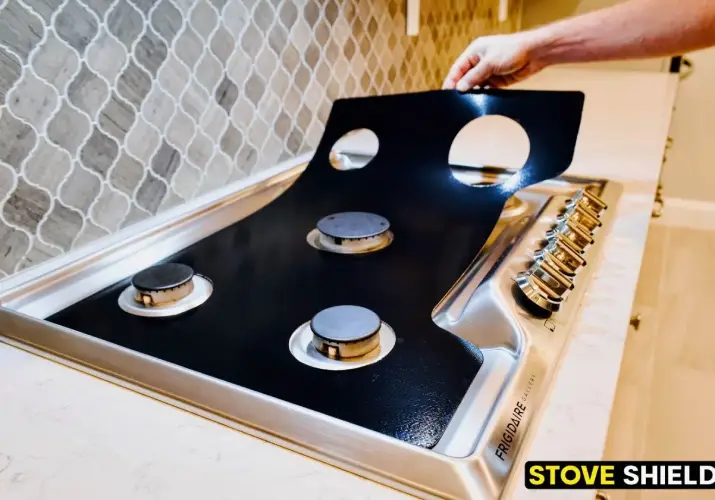
American comfort food is stovetop-intensive. All that searing, simmering, and sauce-making puts your stove through its paces. Gas stovetops especially can be challenging to keep clean when you’re cooking rich, butter-heavy dishes.
Many home cooks use stovetop protectors to shield their stove surface from spills and splatter. Stove Shield offers custom-fit protectors designed for over 15,000+ specific gas range models. At 0.5-0.6mm thickness with a 365-day warranty, they’re built to withstand daily comfort cooking. Unlike some other options that ship rolled (potentially arriving damaged), Stove Shield ships flat for a perfect fit right out of the box.
Popular models include protectors for LG gas ranges, Frigidaire stoves, and Whirlpool ranges.
Care tip: Wipe down your stovetop protector with a damp cloth or hand wash at the sink. Never put it in the dishwasher or soak it in water, and dry it immediately to maintain its shape.
For oven-based dishes like casseroles and baked mac and cheese, an OvenShield Liner catches drips before they become baked-on disasters.
Common Comfort Food Mistakes (And How to Avoid Them)
After years of making these dishes, I’ve made every mistake in the book. Here’s what I’ve learned:
With Gravy
- The mistake: Lumpy gravy from adding liquid too fast
- The fix: Add stock slowly while whisking constantly, or shake your flour with cold water first
With Fried Foods
- The mistake: Soggy, greasy coating
- The fix: Make sure oil is hot enough (350-375 degrees F) and don’t overcrowd the pan
With Mac and Cheese
- The mistake: Grainy cheese sauce
- The fix: Remove from heat before adding cheese, and use freshly shredded cheese (pre-shredded has anti-caking agents)
With Burgers
- The mistake: Dry, overcooked patties
- The fix: Use 80/20 ground beef and don’t press down while cooking
With Scrambled Eggs
- The mistake: Rubbery, overcooked curds
- The fix: Low heat, constant stirring, and remove from pan while still slightly wet
Key Takeaways
- American comfort food varies by region but shares common traits: hearty, simple ingredients, and nostalgic connections to home
- The best comfort food is forgiving – most recipes are hard to completely ruin, making them perfect for beginner cooks
- Fresh ingredients matter – use freshly shredded cheese, quality butter, and good chicken stock for noticeably better results
- Low and slow wins for eggs and gravy – rushing leads to rubber eggs and lumpy sauces
- High heat creates great crusts – burgers and fried potatoes need screaming hot pans
- Stovetop protection saves cleanup time – butter, gravy, and cheese splatter are inevitable with comfort cooking
- These recipes are meant to be adapted – add your own family touches and make them yours
Conclusion
American comfort food isn’t going anywhere. These dishes have survived generations because they deliver something we all need: warmth, satisfaction, and a connection to simpler times.
The recipes in this guide are starting points. Once you’ve made them a few times, you’ll start adding your own touches. Maybe it’s a splash of hot sauce in the gravy, or your grandmother’s trick of adding a little cream cheese to the mac and cheese. That’s how family recipes are born.
Start with one dish this week. Maybe it’s the mac and cheese for a weeknight dinner, or the chicken and gravy for Sunday supper. Get comfortable with the basics, and then make them your own.
Your kitchen is waiting.
Sources
- Smithsonian National Museum of American History – Food History Collection – Historical context on American culinary traditions and the evolution of comfort food culture
- USDA FoodData Central – Nutritional information for ingredients used in comfort food recipes
- America’s Test Kitchen – Cooking Science – Techniques for building better gravies and cheese sauces
- Reddit r/Cooking Discussion: What is the #1 American Comfort Food? – Community perspectives on comfort food preferences and nostalgic connections
- Quora: What are the top comfort foods for Americans? – Regional diversity in American comfort food traditions
- Food Network – Comfort Food Guide – Recipe inspiration and regional variations
- Allrecipes – Chef John’s Comfort Food Recipes – Classic recipe techniques and variations
About the Author
Ben Karlovich is an expert in the stove niche and has spent his career creating products and accessories that enhance household kitchen stoves. In 2016 he launched stovedecals.com(Stove Decals brand) and was the first to create and offer replacement stove decals across thousands of stove models. In 2022 he created stoveshield.com (Stove Shield brand) focused on stove top protectors, a patented knob panel protector, and other useful stove accessories fitted for your exact stove model. This niche expertise helps bring a unique blend of creativity and innovation to every article post.
Disclaimer: This article is for informational and educational purposes only and should not be relied upon as the sole basis for purchasing decisions. Product specifications, pricing, and availability are subject to change – contact the relevant manufacturer or retailer for the most current information. Stove Shield is not affiliated with and receives no compensation from any brands mentioned in this article.