


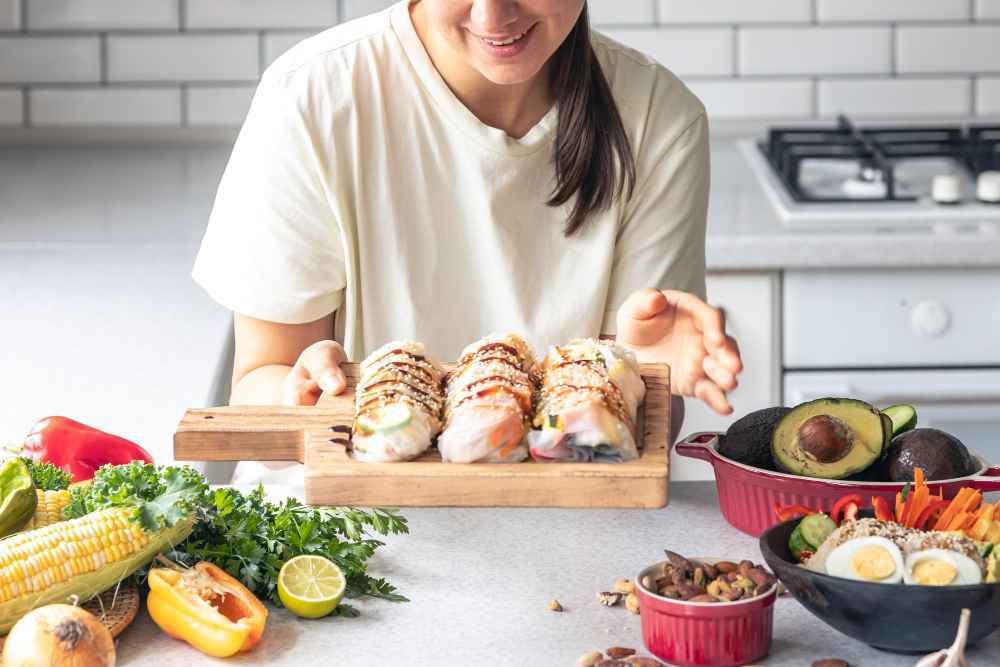
Japanese cooking at home has quietly become one of the most popular culinary trends in American kitchens. What used to feel like restaurant-only territory is now a regular weeknight reality for millions of home cooks across the country.
The appeal makes sense when you think about it. Japanese cuisine offers something different from the heavy, sauce-laden dishes many of us grew up with. It’s about balance, fresh ingredients, and letting flavors speak for themselves without drowning them in complexity.
Whether you’re brand new to Japanese cooking or looking to expand your repertoire, this guide covers everything from essential pantry staples to four crowd-pleasing recipes you can make tonight.
Key Takeaways
- Japanese home cooking is simpler than restaurant food – Most authentic Japanese meals at home consist of rice, miso soup, a protein, and pickled vegetables
- Five pantry staples unlock 90% of recipes – Soy sauce, mirin, sake, miso paste, and dashi form the foundation of Japanese flavor
- Gas stovetops excel for Japanese cooking – The precise heat control makes simmering sauces and searing proteins easier
- Start with familiar dishes – Teriyaki chicken, yakisoba, and ramen are beginner-friendly entry points
- Fresh ingredients matter more than technique – Quality produce and proteins elevate even simple preparations
- Cleanup can be managed – Sauce-based cooking creates splatter, but stovetop protection makes maintenance simple
- Community resources help – Sites like Just One Cookbook and Reddit’s r/JapaneseFood offer authentic home-cook perspectives
Why Japanese Cuisine Resonates With American Home Cooks
Walk through any U.S. grocery store today and you’ll find entire aisles dedicated to Asian ingredients. That wasn’t the case twenty years ago. The shift reflects a genuine change in how Americans approach cooking.
In online food communities, home cooks consistently describe Japanese cuisine as:
- “Clean and balanced without feeling restrictive”
- “Comforting but never heavy”
- “Simple techniques with complex flavors”
- “Perfect for busy weeknights”
Part of the appeal is how Japanese cooking respects ingredients. Instead of masking flavors with heavy sauces, the cuisine highlights what each component brings to the dish. A perfectly cooked piece of salmon doesn’t need much more than quality soy sauce and a squeeze of citrus.
The other factor? Japanese home cooking is genuinely simpler than most people expect. As members of Reddit’s r/JapaneseFood community often point out, everyday Japanese meals in actual Japanese homes are straightforward – typically rice, miso soup, a protein dish, and some pickled vegetables. The elaborate multi-course presentations you see at restaurants aren’t how Japanese families eat daily.
The Character of Japanese Home Cooking
Japanese cooking is calm, controlled, and detail-oriented. Heat is used carefully. Ingredients are respected rather than masked. Many dishes come together on the stovetop with deliberate timing and minimal fussing.
Common stovetop moments in Japanese-inspired cooking include:
- Oil warming gently before proteins are added
- Sauces reducing smoothly without boiling aggressively
- Noodles simmering while toppings are prepared separately
- Careful flipping and finishing rather than constant stirring
Gas stovetops are especially well-suited for this style of cooking. The immediate heat response and precise flame control make it easier to maintain the steady, moderate temperatures that Japanese techniques often require.
The Five S’s of Japanese Seasoning
Traditional Japanese cooking follows a seasoning order known as “sa-shi-su-se-so,” representing five foundational ingredients:
- Sa (Sugar) – Added first because it takes longest to absorb
- Shi (Salt) – Penetrates ingredients before other seasonings
- Su (Vinegar) – Adds brightness without overpowering
- Se (Soy Sauce) – Provides umami depth and color
- So (Miso) – Added last to preserve its delicate flavor
Understanding this principle helps explain why Japanese dishes develop such layered flavors from relatively few ingredients.
Essential Japanese Pantry Staples
Before cooking your first Japanese dish, stock your pantry with these core ingredients. Once you have them, most recipes become accessible.
The Foundation Five
Soy Sauce (Shoyu) – The backbone of Japanese flavor. Look for naturally brewed varieties like Kikkoman for the best depth. Regular soy sauce works for most cooking applications.
Mirin – Sweet rice wine that adds a subtle sweetness and glossy finish to sauces. Hon-mirin (true mirin) is worth seeking out, though aji-mirin works for everyday cooking.
Sake – Cooking sake adds depth and helps tenderize proteins. You don’t need expensive drinking sake – cooking sake from the grocery store works perfectly.
Miso Paste – Fermented soybean paste that ranges from mild white (shiro) to robust red (aka). White miso is the most versatile starting point.
Dashi – The fundamental soup stock made from kombu (kelp) and bonito flakes. Instant dashi granules (like Hondashi) make weeknight cooking practical without sacrificing much flavor.
Secondary Staples Worth Having
- Rice vinegar – For sushi rice and dressings
- Sesame oil – Toasted for finishing, regular for cooking
- Panko breadcrumbs – For crispy coatings on katsu dishes
- Japanese short-grain rice – The sticky texture is essential
- Furikake – Rice seasoning for quick flavor additions
A well-stocked Japanese pantry might cost $30-40 initially, but these ingredients last for months and open up dozens of recipe possibilities.
Japanese Cooking Techniques You Should Know
Japanese cuisine relies on several core techniques that appear across many dishes. Understanding these basics makes following recipes much easier.
Nimono (Simmering)
Slow simmering in a seasoned liquid is the heart of many Japanese comfort dishes. Nikujaga (meat and potato stew), braised vegetables, and oden all use this gentle technique. The key is maintaining a low, steady simmer – never a rolling boil.
Yakimono (Grilling/Pan-Frying)
This covers everything from teriyaki to yakisoba. The technique emphasizes high initial heat for searing, then reducing to finish cooking through. Sauce is typically added toward the end to create that characteristic glaze.
Agemono (Deep-Frying)
Japanese fried foods like tempura and tonkatsu achieve their signature light, crispy texture through specific temperature control and coating techniques. The batter stays cold, the oil stays hot (around 350-375°F), and items are fried in small batches.
Mushimono (Steaming)
Delicate proteins like fish and egg custards (chawanmushi) benefit from gentle steam cooking that preserves moisture and subtle flavors.
Popular Japanese-Inspired Dishes to Cook at Home
These four recipes represent excellent starting points for home cooks. Each one builds fundamental skills while delivering genuinely satisfying results.
Chicken Teriyaki (Stovetop Method)
Serves: 4 | Time: 25 minutes | Difficulty: Easy
This is probably the most approachable Japanese recipe for American home cooks. The sauce comes together in minutes, and the technique translates to countless other proteins.
Ingredients
- 1 1/2 lb chicken thighs (bone-in or boneless)
- 1/4 cup soy sauce
- 3 tbsp mirin
- 2 tbsp sugar
- 1 tbsp neutral oil (vegetable or canola)
- 1 tsp fresh ginger, grated (optional)
Instructions
- Prep the chicken – If using bone-in thighs, score the meat lightly to help it cook evenly. Pat completely dry with paper towels.
- Sear the chicken – Heat oil in a large skillet over medium heat. Add chicken skin-side down and cook without moving for 6-7 minutes until golden and crispy.
- Flip and add sauce – Turn the chicken, then add soy sauce, mirin, and sugar. The sauce will bubble vigorously at first.
- Simmer and glaze – Reduce heat to medium-low. Simmer for 10-12 minutes, spooning sauce over the chicken occasionally. The sauce will thicken into a glossy glaze.
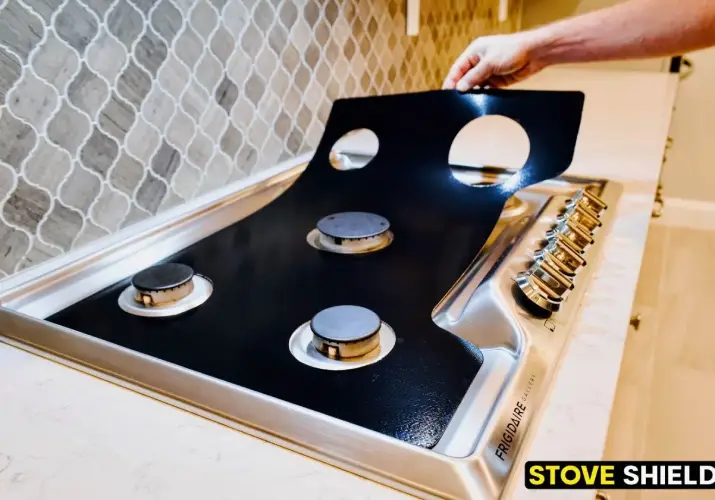
As the sauce reduces and thickens, some splattering is normal. Many home cooks find that using stove covers or a stovetop protector keeps cleanup manageable when making sauce-heavy dishes regularly.
Why This Recipe Works
The combination of soy sauce, mirin, and sugar creates the classic teriyaki balance – savory, sweet, and slightly caramelized. Bone-in thighs stay more moist, but boneless works perfectly for faster cooking.
Recipe Profile:
- Best for: Families, meal prep, weeknight dinners
- Pairs with: Steamed rice, stir-fried vegetables
- Make-ahead tip: Double the sauce and refrigerate for up to two weeks
Stovetop Shoyu Ramen (Simplified Home Version)
Serves: 2-3 | Time: 20 minutes | Difficulty: Easy
Restaurant ramen involves hours of broth preparation. This home version delivers satisfying results in twenty minutes using shortcuts that don’t sacrifice flavor.
Ingredients
- 4 cups chicken broth (low sodium preferred)
- 2 tbsp soy sauce
- 1 tsp sesame oil
- 1 tsp mirin
- 2 packs fresh or dried ramen noodles (not the instant kind with seasoning packets)
- 2 soft-boiled eggs
- Green onions, sliced
- Nori sheets (optional)
- Chashu pork or leftover roasted pork (optional)
Instructions
- Build the broth – Combine chicken broth, soy sauce, sesame oil, and mirin in a medium saucepan. Bring to a gentle simmer over medium heat.
- Prepare toppings – While broth heats, slice green onions, prepare eggs, and gather other toppings.
- Cook noodles – In a separate pot, cook noodles according to package directions. Fresh ramen takes about 2 minutes; dried takes 3-4.
- Assemble – Divide noodles between bowls. Ladle hot broth over noodles. Top with halved soft-boiled eggs, green onions, and any other toppings.
Ramen broth can bubble over during simmering, especially when first brought to temperature. Keeping an eye on the heat and using gas stove liners helps protect stainless steel surfaces from accidental boil-overs.
Tips From Experience
The biggest mistake home cooks make with ramen is overcooking the noodles. They should have a slight chew – what the Japanese call “koshi.” Drain them about 30 seconds before you think they’re done.
For the soft-boiled eggs, bring water to a boil, lower eggs gently, cook for exactly 6.5 minutes, then immediately transfer to ice water. The yolk should be jammy, not runny or fully set.
Recipe Profile:
- Best for: Comfort food cravings, cold weather meals
- Variation: Add chili oil or garlic for extra depth
- Shortcut: Use pre-marinated chashu from Asian grocery stores
Yakisoba (Japanese Stir-Fried Noodles)
Serves: 4 | Time: 25 minutes | Difficulty: Medium
Yakisoba is Japanese street food at its best – savory, slightly sweet noodles loaded with vegetables and protein. The key is high heat and quick tossing.
Ingredients
- 12 oz yakisoba noodles (or substitute lo mein noodles)
- 1 lb sliced pork belly or chicken thigh
- 2 cups cabbage, shredded
- 1 carrot, julienned
- 1/4 cup yakisoba sauce (or make your own – see below)
- 2 tbsp neutral oil
- Pickled ginger and aonori (optional garnish)
Quick Yakisoba Sauce (makes enough for this recipe):
- 3 tbsp Worcestershire sauce
- 2 tbsp oyster sauce
- 1 tbsp soy sauce
- 1 tbsp ketchup
- 1 tsp sugar
Instructions
- Prep everything first – Yakisoba cooks fast, so have all ingredients measured and within reach before you start.
- Cook the protein – Heat oil in a large skillet or wok over medium-high heat. Add pork and cook until lightly browned, about 4 minutes. Remove and set aside.
- Stir-fry vegetables – Add cabbage and carrot to the same pan. Cook for 2-3 minutes until slightly softened but still crisp.
- Add noodles and sauce – Loosen yakisoba noodles under warm water if packaged. Add to the pan with vegetables and protein. Pour sauce over everything.
- Toss and serve – Using tongs or chopsticks, toss everything together for 2-3 minutes until noodles are evenly coated and sauce has absorbed.
Sauce-based noodle dishes tend to create splatter when tossed at high heat. Using stovetop protectors designed for gas ranges helps maintain your cooking surface during regular stir-fry sessions.
Recipe Profile:
- Best for: Family dinners, using up vegetables
- Make it vegetarian: Skip the meat, double the vegetables
- Leftover tip: Yakisoba reheats well – just add a splash of water when rewarming
A Standout Recipe: Okonomiyaki (Japanese Savory Pancake)
Serves: 2-3 | Time: 30 minutes | Difficulty: Medium
Okonomiyaki translates roughly to “grilled as you like it” – and that flexibility is part of its charm. This Osaka-style version is essentially a savory cabbage pancake topped with a sweet-tangy sauce.
Ingredients
For the Batter:
- 1 cup shredded cabbage (packed)
- 2 large eggs
- 1/2 cup all-purpose flour
- 1/4 cup water or dashi
- 2 tbsp tenkasu (tempura scraps) or panko
- Pinch of salt
For the Topping:
- 1/2 lb pork belly slices, shrimp, or bacon
- Okonomiyaki sauce (or substitute equal parts Worcestershire and ketchup)
- Japanese mayonnaise (Kewpie preferred)
- Bonito flakes (katsuobushi)
- Aonori (green seaweed powder)
Instructions
- Make the batter – In a large bowl, mix flour, eggs, and water until just combined (some lumps are fine). Fold in shredded cabbage and tenkasu.
- Heat your pan – Use a well-seasoned skillet or non-stick pan over medium heat. Add a thin layer of oil.
- Form the pancake – Pour batter into the pan and shape into a thick round, about 3/4 inch tall. Don’t press down – you want it thick.
- Add protein – Lay pork belly slices or shrimp on top of the uncooked surface.
- The flip – After 5-6 minutes, when the bottom is golden, carefully flip the pancake. This takes confidence – use a large spatula or two smaller ones.
- Finish cooking – Cook the other side for another 5-6 minutes until cooked through.
- Top generously – Transfer to a plate. Drizzle with okonomiyaki sauce and mayonnaise in a zigzag pattern. Sprinkle bonito flakes and aonori on top.
Pan-frying batter-based dishes can leave residue on your cooking surface, especially around the edges where batter bubbles over. For cooks who make okonomiyaki regularly, stovetop protection makes post-cooking cleanup significantly faster.
Why Okonomiyaki Is Worth the Effort
There’s something almost theatrical about watching bonito flakes dance on top of a freshly made okonomiyaki – they wave in the rising heat like they’re alive. It’s the kind of dish that impresses guests while being genuinely simple to execute once you’ve made it a few times.
Recipe Profile:
- Best for: Weekend cooking projects, dinner parties
- Kid-friendly variation: Skip the mayo zigzag and let kids add their own toppings
- Common mistake: Pressing down on the pancake – resist the urge
Protecting Your Stovetop During Japanese Cooking
Japanese-inspired cooking emphasizes sauces, broths, and careful reductions – all of which make the stovetop an active part of the process. Teriyaki sauce splatters. Ramen broth can bubble over. Yakisoba sauce gets everywhere when you’re tossing noodles at high heat.
Many households use stove covers, stove liners, or fitted stovetop protectors to keep their cooking surfaces clean. This is especially relevant for gas stovetops with stainless steel surfaces, where sugar-based sauces can bake on and become difficult to remove.
Stove Shield offers fitted protectors designed for over 15,000+ specific gas range models, including:
For oven-based Japanese dishes like baked tonkatsu or roasted teriyaki salmon, a matching OvenShield Liner helps protect the oven floor from drips and baked-on residue.
With stovetop protection in place, you can focus on the cooking itself rather than worrying about cleanup.
Beginner Tips for Japanese Cooking Success
After testing dozens of Japanese recipes at home, a few lessons stand out:
1. Mise en place matters more than usual Japanese cooking often moves quickly once heat is applied. Having all your ingredients measured, chopped, and within arm’s reach prevents burnt sauces and overcooked proteins.
2. Don’t skip the rice A perfectly cooked bowl of Japanese short-grain rice elevates any meal. Invest in a rice cooker if you plan to cook Japanese food regularly – it’s the one piece of equipment that genuinely makes a difference.
3. Taste as you go The balance of sweet, salty, and umami varies by personal preference. Start with recipe amounts, then adjust. More mirin adds sweetness; more soy sauce deepens the savory notes.
4. Learn one dish well before moving on Mastering chicken teriyaki teaches you sauce-making fundamentals that apply to dozens of other recipes. Rushing through too many recipes prevents you from developing real technique.
5. Use authentic resources Food bloggers like Namiko Chen at Just One Cookbook and the community at r/JapaneseFood offer home-cook perspectives that restaurant-focused resources miss.
Why Japanese-Inspired Cooking Continues to Grow
Japanese cuisine fits modern American home life in ways that many other cuisines don’t. Portions are reasonable. Vegetables play a starring role. Meals come together quickly once you understand the basics.
For home cooks across the U.S. who value balance, flavor, and intentional cooking, Japanese-inspired meals are becoming more than a trend – they’re becoming a lasting part of how we eat.
The recipes in this guide represent just the beginning. Once you’ve mastered teriyaki and ramen, there’s a world of donburi rice bowls, nabemono hot pots, and izakaya-style small plates waiting to be explored.
Conclusion
Japanese cooking at home doesn’t require special skills or hard-to-find ingredients. It requires a well-stocked pantry, respect for quality ingredients, and willingness to master a few fundamental techniques.
Start with chicken teriyaki this week. Stock your pantry with the five foundation ingredients. Pay attention to how the sauce reduces and glazes. That simple weeknight dinner will teach you more about Japanese cooking than any amount of reading.
From there, expand to ramen, yakisoba, and eventually the satisfying challenge of okonomiyaki. Each dish builds on the last, and before long, Japanese-inspired cooking will feel as natural as any other cuisine in your rotation.
Your next steps:
- Stock your pantry with soy sauce, mirin, sake, miso, and dashi
- Make chicken teriyaki this week using the recipe above
- Join r/JapaneseFood for community support and recipe ideas
- Invest in a rice cooker if Japanese cooking becomes a regular habit
Sources
- Just One Cookbook – Essential Japanese Cooking Tips for Beginners – Comprehensive guide to Japanese cooking fundamentals from food blogger Namiko Hirasawa Chen, covering pantry essentials and core techniques.
- Sudachi Recipes – 40+ Easy Japanese Recipes – Collection of beginner-friendly Japanese recipes with step-by-step instructions, updated November 2025.
- BBC Good Food – How to Cook Japanese Food – Overview of Japanese cooking methods and ingredient basics from a trusted culinary resource.
- Reddit r/JapaneseFood – How Can I Begin Cooking Japanese Food? – Community discussion featuring advice from home cooks on pantry staples, beginner dishes, and authentic resources like CookPad.
- Japan Wonder Travel Blog – 20 Typical Japanese Meals at Home – Guide to authentic Japanese home-cooked dishes with cultural context and preparation tips.
- Give Me Umami – Step-by-Step Beginner’s Guide to Japanese Cooking – Comprehensive beginner’s guide covering pantry building, essential tools, and foundational recipes, updated July 2025.
- Food Network – 37 Delicious Japanese Recipes Worth Mastering – Curated collection of tested Japanese recipes from professional chefs, updated December 2025.
About the Author
Ben Karlovich is an expert in the stove niche and has spent his career creating products and accessories that enhance household kitchen stoves. In 2016 he launched stovedecals.com(Stove Decals brand) and was the first to create and offer replacement stove decals across thousands of stove models. In 2022 he created stoveshield.com (Stove Shield brand) focused on stove top protectors, a patented knob panel protector, and other useful stove accessories fitted for your exact stove model. This niche expertise helps bring a unique blend of creativity and innovation to every article post.
Disclaimer: This article is for informational and educational purposes only and should not be relied upon as the sole basis for purchasing decisions. Product specifications, pricing, and availability are subject to change – contact the relevant manufacturer or retailer for the most current information. Stove Shield is not affiliated with and receives no compensation from any brands mentioned in this article.