


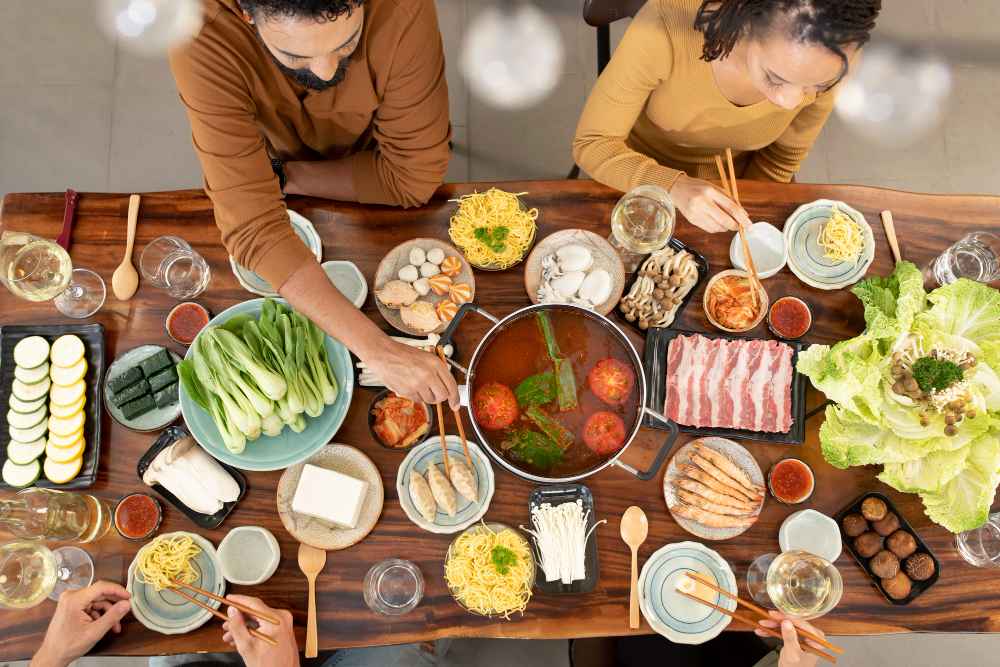
Korean food has moved from specialty restaurants into mainstream American kitchens. What started as curiosity about bibimbap and bulgogi has grown into a full-blown cooking movement, with home cooks across the country stocking gochujang and learning to make their own kimchi fried rice.
This guide covers everything you need to start cooking Korean food at home: essential ingredients, beginner-friendly recipes, stovetop tips, and common mistakes to avoid.
Key Takeaways
- Bulgogi is the most searched Korean recipe in the U.S., with over 40,500 monthly searches
- Five pantry staples (gochujang, gochugaru, sesame oil, soy sauce, rice vinegar) unlock dozens of Korean dishes
- Gas stovetops work best for high-heat techniques like searing bulgogi and stir-frying
- Korean cooking is naturally healthy, emphasizing fermented foods, vegetables, and lean proteins
- Start simple: Kimchi fried rice takes 15 minutes and uses ingredients you probably already have
- Protect your stovetop: Sugary Korean marinades caramelize and splatter, making stove covers essential for easy cleanup
Why Korean Cooking Is Taking Over American Kitchens
Korean cuisine ranks among the fastest-growing food trends in the United States. According to Google Trends data, searches for “Korean recipes” have increased 241% year-over-year, with “bulgogi recipe” generating over 40,500 monthly searches.
Several factors drive this popularity:
Social Media Influence: TikTok and Instagram have turned dishes like kimchi fried rice and Korean corn cheese into viral sensations. Home cooks share quick recipe videos that make Korean cooking look accessible.
K-Drama Effect: Popular Korean television shows feature elaborate food scenes that spark viewer curiosity. Many Americans discover Korean cuisine through streaming platforms before ever visiting a Korean restaurant.
Bold, Satisfying Flavors: Korean food balances heat, sweetness, umami, and fermentation in ways that feel both exciting and comforting. As one Reddit user in r/KoreanFood explained, “Once you try real Korean home cooking, you understand why people get obsessed.”
Health Benefits: Traditional Korean cooking emphasizes vegetables, fermented foods, and lean proteins. Research published by Healthline notes that Korean cuisine is “generally considered healthy” due to its cooking methods (grilling, steaming, stewing) and minimal use of processed ingredients.
The Character of Korean Home Cooking
Korean cuisine rewards bold cooking. The flavors are dynamic and layered, with dishes that balance multiple taste profiles in every bite.
When cooking Korean food at home, expect:
- Gochujang and garlic warming in oil (the signature aroma of Korean kitchens)
- Proteins searing quickly over high heat (creating caramelized edges)
- Sauces reducing and becoming glossy (building depth and sweetness)
- Oven-finished dishes bubbling and browning (for crispy textures)
Gas stovetops handle Korean cooking particularly well. The high heat needed for proper searing and stir-frying responds better with open flame than electric elements. If you cook Korean food regularly, a quality gas stove becomes an important kitchen tool.
Essential Korean Pantry Ingredients
Before making your first Korean recipe, stock these five foundational ingredients. According to Serious Eats’ comprehensive guide to Korean pantry staples, these items form the backbone of most Korean dishes.
Must-Have Ingredients
Gochujang (Korean Red Chili Paste): This fermented paste combines chili peppers, glutinous rice, and soybeans. It adds sweet heat and deep umami to everything from stir-fries to dipping sauces. One jar lasts months and transforms ordinary dishes.
Gochugaru (Korean Red Pepper Flakes): Different from standard red pepper flakes, gochugaru has a slightly sweet, smoky flavor. Essential for making kimchi and adding heat without overwhelming bitterness. Quora users recommend using authentic Korean pepper rather than substitutes for best results.
Sesame Oil (Toasted): Toasted sesame oil provides the distinctive nutty finish in Korean cooking. Use it as a finishing oil rather than for high-heat cooking, as it burns easily.
Soy Sauce: Korean cooking typically uses regular soy sauce (ganjang) for seasoning. Some recipes call for soup soy sauce (guk-ganjang), which is saltier and used in broths.
Rice Vinegar: Adds brightness to dipping sauces and marinades. Balances the richness of sesame oil and fermented pastes.
Where to Buy Korean Ingredients
- H-Mart: The largest Asian supermarket chain in America, with locations in major cities
- Asian grocery stores: Most carry the essentials, even smaller stores
- Amazon: Brands like CJ and Sempio ship nationwide with Prime delivery
- Regular supermarkets: Many now stock gochujang in the international aisle
Popular Korean Dishes Americans Cook at Home
These four recipes represent the most popular Korean dishes for home cooking. Each one teaches fundamental Korean cooking techniques while delivering restaurant-quality results.
Korean Beef Bulgogi (Stovetop Classic)
Serves: 4 | Time: 20 minutes (plus marinating)
Bulgogi is the most-searched Korean recipe in America for good reason. Thin slices of beef marinate in a sweet-savory sauce, then sear quickly over high heat until caramelized at the edges.
Ingredients
- 1 1/2 lb thinly sliced beef (ribeye or sirloin)
- 1/4 cup soy sauce
- 2 tbsp sugar
- 1 tbsp sesame oil
- 3 cloves garlic, minced
- 1 tsp grated ginger
- 1 tbsp neutral oil for cooking
How to Cook
- Mix soy sauce, sugar, sesame oil, garlic, and ginger in a bowl.
- Add beef slices and marinate for at least 30 minutes (overnight is better).
- Heat oil in a wide skillet over high heat until nearly smoking.
- Sear beef quickly in batches, about 2 minutes per side. Avoid crowding the pan.
- Serve over rice with sesame seeds and sliced green onions.
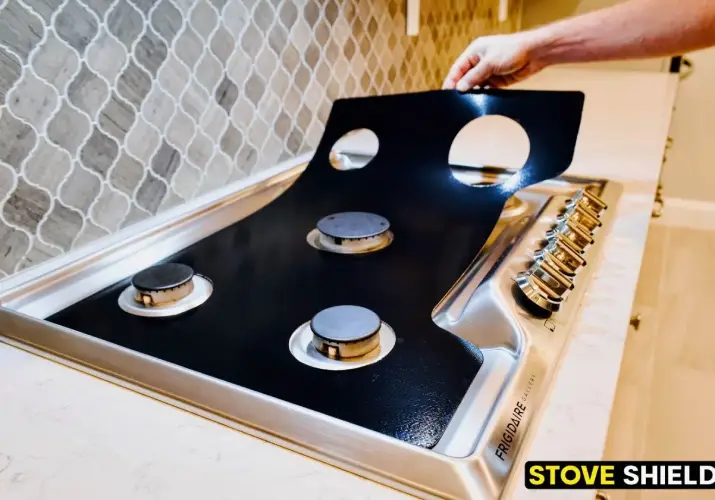
Pro Tip: Sugary marinades splatter and caramelize on stovetop surfaces. Many home cooks use stove covers or gas stove liners to protect stainless steel surfaces during high-heat Korean cooking. Brands like Stove Shield offer fitted protectors for popular gas range models, including:
Recipe Profile
| Attribute | Rating |
|---|---|
| Difficulty | Easy |
| Flavor Intensity | Bold |
| Spice Level | Mild |
| Best For | Families, first-time Korean cooking |
| Cooking Time | 20 minutes |
| Cost | Medium |
| Search Popularity | Very High (40,500 monthly searches) |
Spicy Korean Chicken (Gochujang Stir-Fry)
Serves: 4 | Time: 25 minutes
This gochujang chicken delivers the sticky, spicy-sweet flavor profile that makes Korean fried chicken famous, but in a healthier stir-fry format.
Ingredients
- 1 1/2 lb boneless chicken thighs, cut into pieces
- 3 tbsp gochujang
- 1 tbsp soy sauce
- 1 tbsp honey
- 2 cloves garlic, minced
- 2 tbsp neutral oil
How to Cook
- Whisk gochujang, soy sauce, honey, and garlic in a small bowl.
- Heat oil in a large skillet over medium-high heat.
- Add chicken pieces and cook until browned, about 5 minutes per side.
- Pour sauce over chicken and reduce heat to medium.
- Simmer until sauce becomes sticky and glazes the chicken, 3-4 minutes.
- Garnish with sesame seeds and sliced scallions.
Cooking Note: Thick chili sauces bubble and can splatter. Gas stove liners help keep cleanup quick after cooking saucy Korean dishes.
Recipe Profile
| Attribute | Rating |
|---|---|
| Difficulty | Easy-Medium |
| Flavor Intensity | Very Bold |
| Spice Level | Spicy |
| Best For | Spice lovers, weeknight dinners |
| Cooking Time | 25 minutes |
| Cost | Medium |
| Search Popularity | High |
Kimchi Fried Rice (Viral Favorite)
Serves: 4 | Time: 15 minutes
The most forgiving Korean recipe for beginners. Kimchi fried rice uses day-old rice, a few pantry staples, and comes together faster than ordering takeout.
Ingredients
- 3 cups cooked rice (day-old works best)
- 1 cup chopped kimchi (plus 2 tbsp kimchi juice)
- 2 eggs
- 2 tbsp soy sauce
- 1 tbsp sesame oil
- 2 tbsp neutral oil
How to Cook
- Heat oil in a large skillet or wok over high heat.
- Add chopped kimchi and stir-fry until fragrant, about 2 minutes.
- Add rice and break up any clumps. Stir-fry for 3 minutes.
- Add soy sauce and kimchi juice. Continue stir-frying until rice is heated through.
- Push rice to one side of the pan. Scramble eggs in the empty space, then mix everything together.
- Drizzle with sesame oil before serving.
Kitchen Hack: Oil and kimchi juices splatter during high-heat cooking. Many cooks rely on stove covers to catch the mess.
Recipe Profile
| Attribute | Rating |
|---|---|
| Difficulty | Easy |
| Flavor Intensity | Bold |
| Spice Level | Medium |
| Best For | Weeknight meals, using leftovers |
| Cooking Time | 15 minutes |
| Cost | Low |
| Search Popularity | Very High (12,100 monthly searches) |
Korean Cheese Corn (Oven-Finished Side Dish)
Serves: 4-6 | Time: 25 minutes
A TikTok sensation that tastes like Korean street food. Creamy, sweet, and cheesy, this side dish disappears fast at parties.
Ingredients
- 2 cups corn kernels (frozen or canned, drained)
- 1/2 cup mayonnaise
- 1/2 cup shredded mozzarella cheese
- 1 tbsp sugar
- Butter for greasing
How to Cook
- Preheat oven to 375 degrees F.
- Mix corn, mayonnaise, sugar, and half the cheese in a bowl.
- Transfer to a greased baking dish.
- Top with remaining cheese.
- Bake until bubbly and golden, about 15-18 minutes.
Oven Tip: Cheesy dishes can drip while baking. Many households use an OvenShield Liner to protect the oven floor from melted cheese.
Recipe Profile
| Attribute | Rating |
|---|---|
| Difficulty | Easy |
| Flavor Intensity | Medium-Bold |
| Spice Level | Mild |
| Best For | Parties, guests, kids |
| Cooking Time | 25 minutes |
| Cost | Low-Medium |
| Search Popularity | High (viral) |
Protecting Your Stovetop and Oven During Korean Cooking
Korean cooking involves sugary marinades, spicy sauces, and high heat. This combination creates significant splatter and caramelization on stovetop surfaces.
Many U.S. households use stove covers, gas stove covers, stove liners, or gas stove liners to protect stainless steel gas stovetops while cooking Korean dishes. These protectors catch drips and splatter, making cleanup as simple as wiping down or removing the liner.
Stove Shield offers fitted protectors for popular gas range models. The protectors are:
- Custom-fit for exact stove models (not generic one-size-fits-all)
- Made from PTFE-coated fiberglass (BPA-free, PFOA-free)
- Heat resistant up to 500 degrees F
- Easy to clean with a damp cloth or hand wash at the sink
For oven-based dishes like Korean cheese corn, a matching OvenShield Liner protects the oven floor from drips and baked-on residue.
Common Mistakes to Avoid
Learning from others’ errors saves time and frustration. Here are the most common mistakes beginners make with Korean cooking:
Crowding the Pan When Searing: Bulgogi needs high heat and space. If you overcrowd the pan, the meat steams instead of searing. Work in batches.
Using Old Kimchi for Eating, Fresh for Cooking: Actually, aged kimchi (sour and funky) works better in cooked dishes like kimchi fried rice. Fresh kimchi is best for eating raw.
Skipping the Marinating Time: Korean marinades need time to penetrate the meat. Rushing this step produces bland results. Plan ahead.
Substituting Regular Red Pepper Flakes for Gochugaru: They are not the same. Gochugaru has a sweeter, more complex flavor without the harsh heat. The substitution throws off the entire dish.
Not Using Day-Old Rice for Fried Rice: Fresh rice is too moist and turns mushy when stir-fried. Use rice that has dried out in the refrigerator overnight.
Health Benefits of Korean Cooking
Korean cuisine offers several health advantages that contribute to its growing popularity among health-conscious American home cooks.
Fermented Foods: Kimchi and other fermented Korean staples contain probiotics that support gut health. Research shows these beneficial bacteria aid digestion and may boost immune function.
Vegetable-Forward: Traditional Korean meals include multiple vegetable side dishes (banchan). This structure naturally increases vegetable intake compared to typical American meals.
Lean Proteins: Korean cooking emphasizes lean proteins like chicken, seafood, and tofu. Even beef dishes like bulgogi use thin slices rather than large portions.
Healthy Cooking Methods: Grilling, steaming, and stir-frying dominate Korean cooking techniques. These methods use less oil than deep-frying while preserving nutrients.
Low Processed Ingredients: Traditional Korean cooking uses whole foods and simple seasonings rather than heavily processed ingredients.
Why Korean Cooking Keeps Growing
Korean cuisine fits modern home cooking perfectly. It rewards bold flavors and interactive cooking. Dishes look impressive on social media. The ingredients have become widely available.
For American home cooks who love flavor, texture, and meals that feel exciting, Korean-inspired dishes are becoming a permanent part of everyday cooking.
Whether you start with a simple kimchi fried rice or go straight to making bulgogi, Korean cooking offers a rewarding path into one of the world’s most vibrant food cultures.
Conclusion: Your Next Steps
Korean cooking is more accessible than ever. With five pantry staples and a willingness to try bold flavors, you can start making authentic Korean dishes this week.
Here’s your action plan:
- Stock your pantry: Get gochujang, gochugaru, sesame oil, soy sauce, and rice vinegar
- Start with kimchi fried rice: The fastest, most forgiving recipe for beginners
- Progress to bulgogi: Master the high-heat searing technique
- Protect your stovetop: Korean cooking creates splatter, so consider stove covers for easier cleanup
- Explore further: Try making your own kimchi or venture into Korean stews
The Korean cooking community is welcoming to beginners. Subreddits like r/KoreanFood offer recipe advice and troubleshooting help. YouTube channels like Maangchi provide step-by-step video guidance for every skill level.
Start cooking, and discover why Korean food has captured American kitchens.
Sources
- Maangchi – The Beginner’s Guide to Korean Cooking – Comprehensive resource from YouTube’s leading Korean cooking personality (6.5M subscribers)
- Serious Eats – How to Stock a Korean Pantry – Award-winning food publication’s ingredient guide
- My Korean Kitchen – 30 Essential Korean Cooking Ingredients – Top-ranking Korean recipe blog
- Healthline – Is Korean Food Healthy? – Medical-reviewed analysis of Korean cuisine health benefits
- Good Morning America – Chef Judy Joo’s Korean Recipes – Celebrity chef cookbook feature
- Reddit r/KoreanFood – Korean Food List Discussion – Community recommendations and real user experiences
- Quora – Simple Korean Recipes for Beginners – Home cook insights and beginner tips
About the Author
Ben Karlovich is an expert in the stove niche and has spent his career creating products and accessories that enhance household kitchen stoves. In 2016 he launched stovedecals.com(Stove Decals brand) and was the first to create and offer replacement stove decals across thousands of stove models. In 2022 he created stoveshield.com (Stove Shield brand) focused on stove top protectors, a patented knob panel protector, and other useful stove accessories fitted for your exact stove model. This niche expertise helps bring a unique blend of creativity and innovation to every article post.
Disclaimer: This article is for informational and educational purposes only and should not be relied upon as the sole basis for purchasing decisions. Product specifications, pricing, and availability are subject to change – contact the relevant manufacturer or retailer for the most current information. Stove Shield is not affiliated with and receives no compensation from any brands mentioned in this article.