


A new year brings that undeniable urge for a fresh start. Cleaner counters. A calmer morning routine. And a kitchen that actually feels inviting when you walk in. If you’ve ever noticed how much a sparkling stovetop changes the whole vibe of your kitchen, you’re not alone.
Here’s the thing: your stovetop takes more abuse than almost any other surface in your home. Boiling pasta water, splattering bacon grease, sauce that bubbles over when you look away for thirty seconds. All of it leaves its mark. And over time, even the nicest stove starts looking… tired.
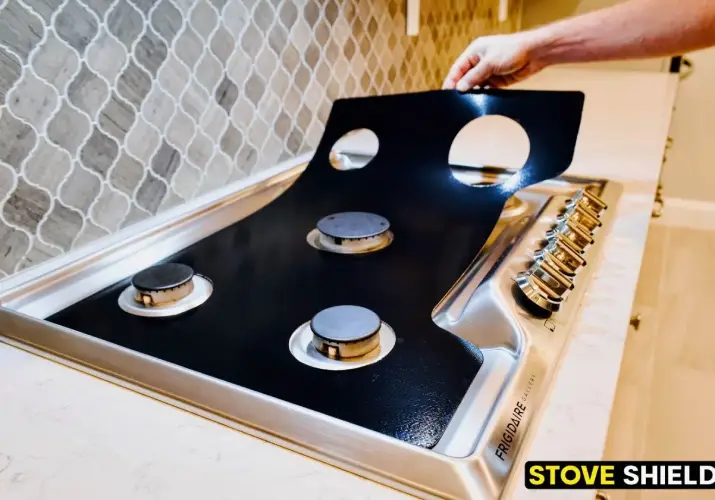
A custom-fit stovetop protector changes that equation entirely. It keeps your stove looking factory-fresh, makes cleanup genuinely easy, and helps your appliance last longer. Whether you just bought a new range or you’re trying to revive one that’s seen better days, protection is the simplest upgrade that pays off all year.
Key Takeaways
- Stovetop protectors prevent daily wear from heat, spills, and utensils that gradually dull your stove’s finish
- Custom-fit designs work better than universal options because they match your exact stove model without gaps or bunching
- Premium protectors use PTFE-coated fiberglass that withstands temperatures up to 500 degrees Fahrenheit
- Thickness matters: Look for protectors at least 0.5mm thick for durability (some budget options are only 0.15-0.3mm)
- Proper care extends lifespan: Hand wash or wipe down; never use a dishwasher or soak the protector
- New Year is prime time for kitchen upgrades, with search interest in stovetop protection peaking in January
- Cost savings add up: Protecting your stove now can prevent expensive cosmetic repairs or early appliance replacement later
Why the New Year Is the Perfect Time for This Kitchen Upgrade
January isn’t just about gym memberships and organizing closets. It’s when most people actually tackle those home improvement projects they’ve been putting off. And kitchens top the list.
Think about it. The holidays just ended. You probably cooked more in the past six weeks than you did the entire summer. Your stovetop shows it. Those little stains and marks you barely noticed before? They’re suddenly impossible to ignore.
That’s why stovetop protector searches spike dramatically in January. People are motivated. They want their kitchens to feel new again without dropping thousands on a renovation.
A stovetop protector delivers exactly that fresh feeling for under a hundred dollars. It’s one of those rare upgrades where the effort-to-impact ratio is wildly in your favor.
How Stovetop Protectors Actually Work
If you haven’t used one before, the concept is straightforward. A stovetop protector is a thin, heat-resistant layer that sits on your stove’s surface, underneath the grates on a gas range. It creates a barrier between your beautiful stainless steel and all the mess that cooking creates.
The Materials Behind the Protection
Most quality protectors are made from PTFE-coated fiberglass. Although these stovetop protectors are not cookware, that’s the same non-stick technology you’ll find in premium cookware. The fiberglass provides structure and heat resistance up to 500 degrees Fahrenheit, while the PTFE coating makes cleanup almost effortless.
Budget options often use thinner materials or plain aluminum. These work in a pinch, but they don’t last as long and tend to warp or discolor faster.
Custom Fit vs. Universal: Why It Matters
Universal protectors sound convenient. But here’s the problem: every stove manufacturer designs their burner layout differently. A Samsung doesn’t look like a GE, which doesn’t match a KitchenAid. Universal products either leave gaps around burners or bunch up in places they shouldn’t.
Custom-fit protectors are designed for your specific model number. They fit precisely around each burner opening, lie completely flat, and actually look like they belong there.
The Real Benefits of Protecting Your Stovetop
Beyond aesthetics, there are practical reasons why homeowners are adding protectors to their kitchens:
Preserve That Brand-New Appearance
Daily cooking causes gradual damage you barely notice until one day your stove looks five years older than it is. Heat exposure, pan slides, utensil drops, and cooking residue all take their toll. A protector absorbs that wear instead of your stove’s actual surface.
Make Cleaning Genuinely Easy
Without protection, spills bake onto your stovetop and require serious scrubbing. With a protector, most messes wipe right off. The non-stick surface means you spend less time cleaning and more time actually enjoying your kitchen.
Extend Your Appliance’s Life
Stoves aren’t cheap. A quality gas range runs anywhere from $600 to several thousand dollars. Protecting that investment from cosmetic damage helps maintain its value and delays replacement.
Keep Your Kitchen Photo-Ready
If you’re someone who cares about how your home looks (for guests, for listing photos, or just for yourself), a clean stovetop makes an outsized difference. It’s the centerpiece of most kitchens. When it looks good, the whole room looks good.
Popular 2025 Gas Stove Models Worth Protecting
If you’ve recently purchased or are shopping for a new gas range, these models are among the most popular choices this year. All of them benefit significantly from added protection:
Cafe C2S950P2MS1 (30-inch)
This premium double-oven design from GE’s Cafe line features a striking brushed stainless finish. The glossy surface shows every fingerprint and spill, making protection especially valuable. Stove Shield for Cafe C2S950P2MS1
Samsung NX60A6511SS (30-inch)
Samsung’s sleek modern aesthetic looks fantastic when new, but that polished surface scratches easily. Year-round protection keeps it looking showroom-fresh. Stove Shield for Samsung NX60A6511SS
GE Profile P2S930YPFS (30-inch)
A favorite in updated kitchens, this GE Profile model features a fingerprint-resistant finish that still benefits from physical protection against heat and abrasion. Stove Shield for GE Profile P2S930YPFS
KitchenAid KSGG700ESS (30-inch)
KitchenAid’s stylish design commands attention. The elegant surface stays uniform and pristine longer when shielded from daily cooking damage. Stove Shield for KitchenAid KSGG700ESS
ZLINE RAB30 (30-inch)
Loved for its bold, professional look, the ZLINE RAB30 makes a statement. A protective layer ensures that clean, commercial-grade aesthetic lasts for years. Stove Shield for ZLINE RAB30
How to Choose the Right Stovetop Protector
Not all protectors are created equal. Here’s what to look for when shopping:
Thickness
This is probably the most important specification. Budget protectors typically measure 0.15-0.3mm thick. They work, but they wear out faster and don’t lie as flat. Premium options run 0.5mm+, providing noticeably better durability and a more professional appearance.
Custom Fit for Your Model
Always check whether a protector is designed for your specific stove model number. Custom-fit products cost slightly more but perform significantly better than trim-to-fit alternatives.
Heat Resistance
Look for protectors rated to at least 500 degrees Fahrenheit. This covers normal cooking temperatures with a safety margin. Lower-rated products may discolor or degrade over time.
Shipping Method
This one surprises people, but it matters. Some companies ship their protectors rolled up in tubes, which can cause permanent creasing or curling. Products that ship flat arrive ready to use without fitting issues.
Warranty Coverage
Protection only works if it lasts. Look for warranties of at least 365 days, the premium brands offer coverage for a full year. Longer warranties typically indicate higher confidence in product quality.
Cleaning and Maintenance: How to Make Your Protector Last
Proper care dramatically extends your protector’s lifespan. Here’s what you need to know:
Regular Cleaning
After cooking, let the grates cool down (the protector itself stays cool since it sits below the burner grates). Then simply wipe the surface with a damp cloth. Most spills come right off thanks to the non-stick coating.
For tougher spots, hand wash the protector at your sink with mild dish soap and warm water. Pat it dry immediately with a clean towel.
What to Avoid
Never put your protector in the dishwasher. The high heat and harsh detergents can damage the non-stick coating and may warp the material.
Never soak or submerge the protector. Extended water exposure can affect the fiberglass core and reduce the product’s lifespan.
Never let it air dry. Dry it immediately after washing to maintain its shape and prevent water spots.
How Often Should You Clean It?
For best results, wipe down after each cooking session or weekly/monthly if you cook less frequently. A quick swipe takes thirty seconds and prevents buildup from accumulating. Deep cleaning (removing and washing) works well on a weekly or bi-weekly basis, depending on how often you cook.
Frequently Asked Questions
Are stovetop protectors safe to use on gas stoves?
Yes. Quality protectors made from PTFE-coated fiberglass are specifically designed for gas ranges. They sit beneath the grates, away from direct flame contact, and withstand the heat generated during normal cooking. It’s always important to note – the protectors are not cookware, you do not cook directly on top of the stovetop protector.
Won’t the protector melt or catch fire?
Premium protectors are heat-resistant up to 500 degrees Fahrenheit. Under normal cooking conditions (even high-heat searing), they remain well within safe operating temperatures. The protector sits under the grates, not in direct flame contact. Protectors do not prevent fires – if you’re cooking and the stove malfunctions or something else catches fire, the stovetop protector is not meant as a fire preventative.
How long do stovetop protectors typically last?
With proper care, a quality custom-fit protector lasts one to two years of regular use. Some last longer, depending on cooking frequency and cleaning habits. Thicker protectors, greater than .5mm, generally outlast thinner alternatives.
Can I trim a universal protector to fit my stove?
You can, but the results are often disappointing. Trimming by hand rarely produces the precise fit needed around burners. Custom-fit products designed for your specific model number deliver much better results.
Do protectors affect cooking performance?
No. The protector sits flat on the stovetop surface under the grates. It doesn’t interfere with heat distribution, flame access, or how your cookware performs.
What’s the difference between cheap and premium protectors?
Primarily thickness and fit. Budget protectors (0.15-0.3mm) are thinner, often universal-fit, and wear out faster. Premium options (0.5mm+) are thicker, custom-fit to your model, and typically include better warranty coverage.
Making the Investment: Why Protection Pays Off
Here’s the math that makes this decision easy. A quality custom-fit stovetop protector costs $80. Your gas range cost somewhere between $600 and $3,000 (or more for premium models).
Cosmetic damage to your stovetop, whether from scratches, heat discoloration, or stubborn stains, can reduce your appliance’s value by hundreds of dollars if you ever sell it. Professional refinishing, if that’s even possible for your model, often costs more than replacing the entire range.
For less than the cost of a nice dinner out, you protect an appliance you’ll use every single day for the next decade. And you get the bonus of easier cleanup and a better-looking kitchen in the meantime.
Conclusion
The New Year brings that motivation to make things better. Your kitchen deserves to be part of that fresh start.
A stovetop protector is one of the simplest, most cost-effective upgrades you can make. It keeps your stove looking new, makes daily cleanup faster, and protects an expensive appliance from unnecessary wear.
Whether you just bought a new range or you’re breathing new life into an existing one, adding protection is a decision you’ll appreciate every time you cook.
Ready to start the year with a fresher kitchen? Find the custom-fit protector for your exact stove model at Stove Shield. With premium thickness, flat shipping, and a 365-day product promise, it’s protection designed to last.
Sources
- BestReviews – Best Gas Range Protectors – Material comparison and buying criteria for stovetop protection products
- Consumer Reports – Stove Gap Covers Review – Kitchen hygiene benefits and practical testing of stove protection products
- StovesDirect – Stove Top Covers Guide – Comprehensive overview of stovetop cover types, materials, and maintenance
- Sawyer Custom Crafts – Best Stove Top Cover Guide – Measurement and fitting guidance for stovetop covers
- Stove Shield – Premium Stove Top Protectors – Product specifications, heat resistance ratings, and warranty information
About the Author
Ben Karlovich is an expert in the stove niche and has spent his career creating products and accessories that enhance household kitchen stoves. In 2016 he launched stovedecals.com(Stove Decals brand) and was the first to create and offer replacement stove decals across thousands of stove models. In 2022 he created stoveshield.com (Stove Shield brand) focused on stove top protectors, a patented knob panel protector, and other useful stove accessories fitted for your exact stove model. This niche expertise helps bring a unique blend of creativity and innovation to every article post.
Disclaimer: This article is for informational and educational purposes only and should not be relied upon as the sole basis for purchasing decisions. Product specifications, pricing, and availability are subject to change – contact the relevant manufacturer or retailer for the most current information. Stove Shield is not affiliated with and receives no compensation from any brands mentioned in this article.