
Post-holiday kitchen cleanup on the stove top works best in order: pull grates and caps to soak, scrape solids cold, degrease with hot dish soap, then match the method to your surface baking soda paste for glass, ammonia bag for grates, never cold water on hot induction. After Thanksgiving cleaning takes 45 to 90 minutes per surface.
If the morning after Thanksgiving finds you staring at a stove top glazed with turkey grease, gravy splatter, and a starchy halo where the mashed potatoes boiled over, you’re not behind. You’re normal. A multi-day cleanup reset is normal after heavy holiday cooking. The mistake most people make in post-holiday kitchen cleanup is using the same method on every surface. This guide breaks down the order, the methods, and the prevention plan by stove type.
Key Takeaways
- Cool the stove 30–45 minutes before any cleaning to prevent thermal shock on glass and induction surfaces.
- Hot water plus dish soap (a surfactant) handles 80% of holiday grease. Specialty cleaners are for the last 20%.
- Glass and ceramic: baking soda, vinegar, and a 15-minute soak under a hot microfiber. No abrasive pads ever.
- Gas grates: 20–30 minute hot-soap soak minimum. Overnight ammonia-bag method for carbonized buildup. Clear burner ports with a paperclip.
- Electric coils never get submerged. Only the drip pans and the cooktop underneath.
- Induction: cold water on hot glass cracks the cooktop. Always wait for it to cool.
Multi-day cleanup is normal. Two 45-minute sessions of post-holiday kitchen cleanup beat one three-hour marathon.
Why Does Stove Top Grease Get Worse After the Holidays?
Holiday cooking runs your burners hot for six to twelve hours straight. That’s the chemistry problem that turns post-holiday kitchen cleanup into a project instead of a wipe-down. Splattered fats from a roasting turkey, gravy reduction, and rendered butter from green-bean casserole keep cooking onto the stove surface after the meal ends. By morning, that grease has cooled into a tacky, polymerized film that ordinary spray cleaners just smear around.
Post-holiday kitchen cleanup is also a safety concern, not just an aesthetic one. The National Fire Protection Association reports that Thanksgiving Day has more than three times the average number of home cooking fires of any other day, with unattended cooking and grease as the leading factors “NFPA cooking fire data“. Carbonized residue on burner ports and drip pans can become a fire hazard. Cleaning your stove top after the holidays is fire prevention, not just housekeeping.
The chemistry is simple Hot water plus a true surfactant (the active ingredient in dish soap) helps lift grease molecules off the surface. Many homeowners and cleaning enthusiasts consider Dawn dish soap one of the most effective everyday degreasers for kitchen cleanup because it cuts through cooking oils without damaging most stove surfaces. For most of the stove, you don’t need a specialty product. You need heat, soap, and time.
What Should You Clean First on a Holiday-Aftermath Stove Top?
Order matters more than product choice in post-holiday kitchen cleanup. Here’s the sequence that minimizes scrubbing and protects your finish:
- Cool the stove fully. Touching a hot surface with a wet rag can crack glass cooktops via thermal shock. Wait until the surface is room temperature, usually 30 to 45 minutes after the last burner is off.
- Remove and stage the loose parts. Pull grates, burner caps, and drip pans into the sink or a soak bin (a deep roasting pan works) filled with hot water and a generous squeeze of dish soap. Let them sit for the rest of the cleanup.
- Scrape solids dry. Use a plastic bench scraper. For glass cooktops, switch to a single-edge razor scraper held at a 45-degree angle. Get the chunks off before any liquid touches them, because wet residue smears into a wider mess.
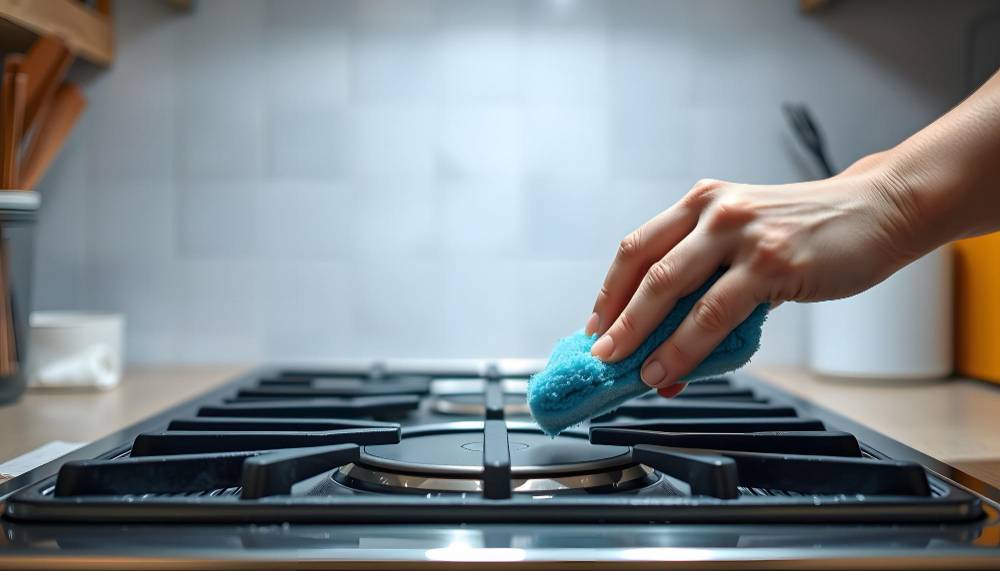
- Wipe with hot soapy water. Spray or sponge the surface with a dish-soap-and-hot-water mix and let it sit for 5 minutes to loosen the rest.
- Surface-match your method. Move into the stove-type-specific steps below.
A common cleaning productivity approach is to work in focused 20-minute sessions, then reassess. Holiday stove cleanup is not a marathon, and in practice, two or three focused sessions with soak time in between will beat one long grind every time. Holiday stove cleanup is not a marathon, and in practice, two or three focused sessions with soak time in between will beat one long grind every time.

How Do You Deep Clean a Glass or Ceramic Stove Top After Cooking?
Glass and ceramic smooth-tops are the most damage-prone surface in your kitchen. They need the gentlest method. The canonical safe-for-glass protocol surfaces across “Bob Vila“, the “Good Housekeeping Institute“, and major editorial guides:
- Sprinkle a thin even layer of baking soda over the cooled cooktop.
- Spray or pour white vinegar over the baking soda until it foams.
- Lay a hot, damp microfiber towel over the whole surface and wait 15 minutes.
- Wipe in circles with the towel. The loosened residue lifts off.
- For stuck-on spots, hold a razor scraper flat (45 degrees) and shave them off, keeping the area wet.
- Buff dry with a clean microfiber.
A few honest caveats. Baking-soda paste works beautifully on dried-on splatters. But if you leave it longer than 10 minutes on a high-gloss black ceramic finish, it can leave a dull haze you’ll have to polish out with a dedicated cooktop cream. Bar Keepers Friend Cooktop Cleaner (the cream, not the powder) made the 2026 “Consumer Reports best cooktop cleaners” short list precisely because it’s non-abrasive on glass. Use that if baking soda leaves a film.
Yes, you can use Dawn dish soap on a glass stove top. It’s the first thing to reach for, not the last. Skip steel wool, scouring powders, and abrasive pads forever. “KitchenAid’s manufacturer guide” is explicit that these will permanently scratch the glass.
How Do You Clean Gas Burner Grates and Drip Pans?
Gas grates are heavy, porous, and almost always cast iron or porcelain-coated steel. They need a different playbook than the cooktop surface. For a complete gas stove cleaning guide, follow the same cleaning fundamentals before tackling holiday buildup
- Hot soapy soak. In your sink or soak bin, dissolve a quarter cup of baking soda into hot water with a generous squeeze of dish soap. Submerge grates and burner caps for 20 to 30 minutes minimum, longer for holiday-level grime.
- The ammonia bag method (for badly carbonized grates). Place each grate in a heavy zip-top bag, add a quarter cup of household ammonia (do NOT add water), seal, and leave overnight in the garage or a well-ventilated room. The ammonia fumes, not the liquid, break down the carbonized fat. Rinse thoroughly the next morning. Never mix ammonia with bleach.
- Scrub with a non-scratch nylon scrub pad while still wet. For porcelain-coated grates, skip steel wool because it will gouge the finish.
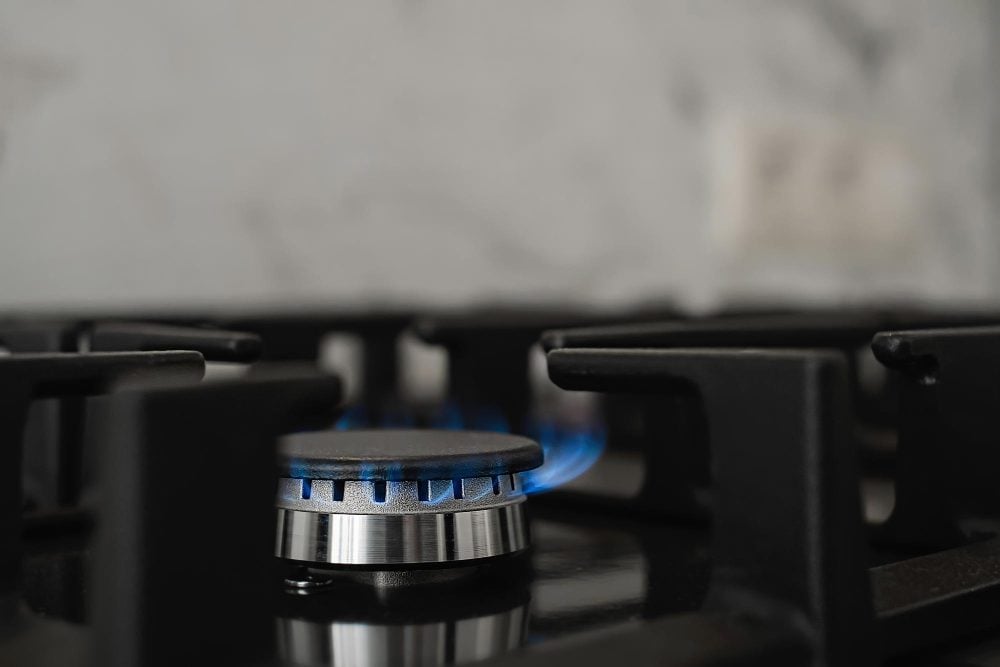
- Clear the burner ports. Unbend a paperclip and gently clear each gas port if your flame was burning yellow or uneven before the holiday. A blocked port is what makes a holiday stovetop a fire risk. This is the part most guides skip.
- Dry completely before reseating. Cast-iron grates left wet will rust within a day.
Skip the all-purpose spray on cast-iron grates. It strips any seasoning the grates have built up, and you’ll spend the next two weeks looking at rust freckles. Plain Dawn and a soak does the job.
How Do You Clean an Electric Coil Stove Top Without Damaging It?
Coil burners look indestructible. They are not. The coil itself should never be submerged because it’s electrical, but the chrome drip pans and the surface underneath them take the brunt of holiday spills.
- Wait until the coils are fully cool, about 30 minutes after the last use.
- Lift the coils out. Each coil unplugs from a receptacle at the wall edge of the stove. Set them aside on a paper towel.
- Pop the drip pans. Soak them in the same hot-soap-and-baking-soda bath as your gas grates. For chrome pans with bake-on rings, an overnight ammonia bag is the same trick that works on gas grates.
- Wipe under the cooktop. Spray hot soapy water, wait 5 minutes, wipe with a microfiber. A plastic bench scraper handles stuck-on spills.
- Spot-clean the coils. Wipe with a barely-damp microfiber. Do not submerge. Burning off light residue by setting the coil to high for a minute is fine. Heavy residue should be wiped off first.
- Replace drip pans dry. Wet pans plus a hot coil equals a steam burst and a rust ring.
Drip pans that are pitted, warped, or permanently discolored are cheap to replace, usually under twenty dollars for a set. A fresh set after the holidays is the lowest-effort way to reset an older electric stove.
Post-Holiday Stove Top Cleaning Checklist
Use this as your printable for the morning after:
- All stove types: Cool stove fully (30–45 min). Remove grates, caps, and drip pans to soak. Scrape dry solids. Wipe the surface with hot dish soap and water. Air-dry components before reseating.
- Glass / ceramic: Baking soda, vinegar, and a hot microfiber for 15 min. Razor scraper at 45° for stuck spots. Polish dry. No abrasive pads, ever.
- Gas: Soak grates 20–30 min minimum. Overnight ammonia bag for carbonized buildup. Clear burner ports with a paperclip. Dry cast iron completely to prevent rust.
- Electric coil: Lift coils, soak drip pans, wipe under cooktop. Never submerge coils. Replace pans dry.
- Induction: Treat like glass. Baking soda paste only on a fully cooled surface. Critical warning: never splash cold water on a hot induction cooktop. Per “induction cooktop guides“, thermal shock may increase the risk of cracking hot glass surfaces, and damage caused by thermal shock is rarely covered under warranty.
- All stove types: Wipe knobs and the front control panel with a damp microfiber. These are the spots people miss, and they hold the most fingerprint grease.
A realistic timing note on post-holiday kitchen cleanup. Clean stove top grease at this level takes 45 to 90 minutes per surface type, plus soak time. Two days of light cleaning beats one exhausting marathon.
How Can You Prevent the Next Holiday Cleanup Nightmare?
The single highest-leverage move is shifting work to before and during the meal, not after. If you’re preparing your stove for Thanksgiving, these preventive steps make post-holiday cleanup dramatically easier:
- Discussions in holiday-planning and cleaning communities frequently highlight running a dishwasher load before guests arrive as one of the simplest ways to reduce post-meal cleanup.
- Designate a soak bin during cooking. A roasting pan with hot soapy water on a cool burner catches every utensil, lid, and splatter shield as it comes off the stove.
- Wipe spills while they’re still warm, not after they cool. A 30-second wipe at the time prevents a 10-minute scrub the next morning.
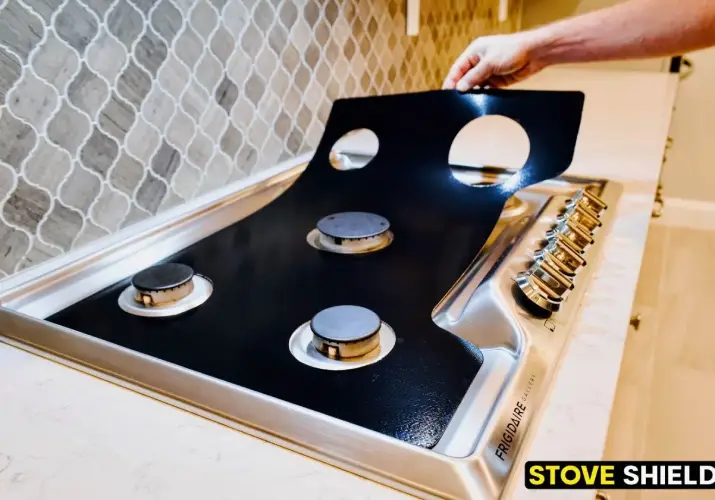
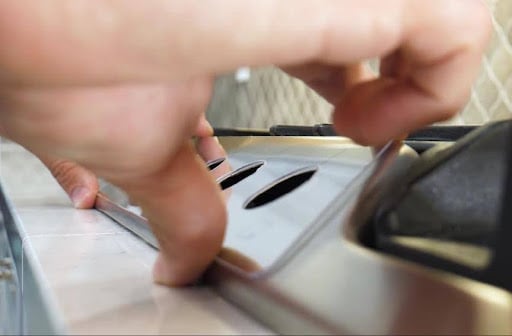
- Install a custom-fit Stove Shield stove protector before the next holiday. A custom-fit StoveShield cover sits between the grates and the cooktop, catching boil-overs before they hit the porcelain or glass. Generic stove liners are one option. Custom-cut covers fit more precisely around burners. For glass cooktops specifically, choose a heat-resistant cover rated to your stove’s BTU range and remove it during high-heat searing.
- Build the week before. Empty dishwasher Wednesday night, empty trash Thursday morning, soak bin set up by 2 p.m.
Prevention is where you actually win after Thanksgiving cleaning. Following a regular stove cleaning schedule keeps holiday messes from becoming major cleanup projects The first holiday you cook with these systems in place is the one where post-holiday kitchen cleanup takes 30 minutes instead of three days.
Frequently Asked Questions
How to clean a stove top after Thanksgiving?
Cool the stove for 30 to 45 minutes, then remove grates, burner caps, and drip pans to soak in hot water and dish soap. Scrape solids off the cooled cooktop, then match the deep-clean method to your surface: baking soda and vinegar for glass, ammonia bag for badly carbonized gas grates, and never cold water on a hot induction surface.
Can you use Dawn dish soap on a glass stove top?
Yes. Dawn is one of the safest and most effective everyday cleaners for a glass cooktop because the surfactants in dish soap emulsify grease without scratching the surface. Use it with hot water and a microfiber cloth for routine cleanup, and reserve baking-soda paste or a dedicated non-abrasive cooktop cream for stuck-on residue.
How do I clean my oven after Thanksgiving?
Run the oven’s self-clean cycle if it has one, but only when the kitchen is well-ventilated, because the cycle generates smoke from carbonized residue. For non-self-cleaning ovens, a baking-soda paste left overnight on the interior, followed by a vinegar spray and microfiber wipe-down, removes most holiday baked-on splatter without harsh chemical cleaners.
How much do cleaners charge to clean a stove?
Professional cleaning costs vary significantly depending on the stove type, kitchen condition, region, and service provider. Contact local cleaning companies for current pricing and service details.
How do I get the black stuff off the bottom of my oven?
Sprinkle a thick layer of baking soda over the oven floor, spray with white vinegar until it foams, and leave overnight. The next morning, wipe with a damp microfiber and scrape stubborn spots with a plastic bench scraper. Avoid steel wool, which damages the enamel finish on most modern ovens.
What is the 20 minute rule in cleaning?
The “20-minute rule” is an informal productivity approach where people clean in focused 20-minute sessions before taking a short break and reassessing the task. Many homeowners and cleaning enthusiasts find this method more manageable than trying to complete large cleanup projects in one long session, especially for post-holiday kitchen cleanup where soak time naturally creates pauses between tasks.