


Key Takeaways
- Stovetop protectors can save 15-20 minutes of cleanup per cooking session by catching spills before they bake onto your stovetop surface
- Custom-fit protectors work better than universal options because they are designed and fitted for your exact stove model
- Non-stick, PTFE-coated fiberglass is the standard material with heat resistance up to 500 degrees Fahrenheit, suitable for most home cooking
- Holiday cooking peaks November through January, and makes for a great birthday, anniversary or holiday gift
- Thickness matters for durability – look for protectors over .5mm in thickness for a durable stovetop cover solution
- Hand washing extends protector life – simply wipe the non-stick surface clean by hand at the stovetop or by the sink
Thanks giving morning starts early. The turkey goes in around 6 AM, the gravy stock simmers for hours, and somewhere between the mashed potatoes and the green bean casserole, your stovetop becomes a battlefield of grease splatters, boiled-over liquids, and mysterious stains.
Sound familiar? You’re not alone. According to The Spruce’s kitchen experts, stovetop cleaning is one of the most dreaded post-holiday chores, with many home cooks spending 30 minutes or more scrubbing baked-on food after a big meal.
But here’s something that might change your approach: a gas stovetop protector can cut that cleanup time dramatically. These simple kitchen accessories have become increasingly popular with home cooks who’d rather spend their holiday afternoon with family than hunched over the stove with a scrub brush.
This guide covers everything you need to know about stovetop protectors, from how they actually work to which features matter most when you’re cooking multiple dishes for hours at a time.
What Is a Stovetop Protector and How Does It Work?
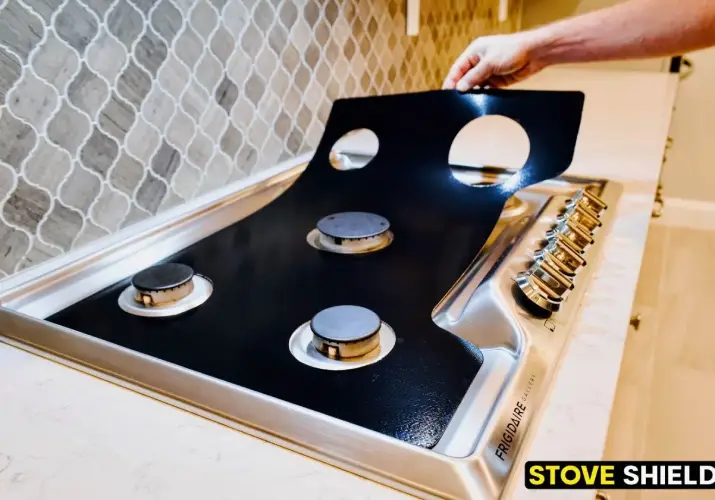
A gas stovetop protector is a durable, heat-resistant cover that sits directly on your gas range surface, underneath the grates. It creates a barrier between your actual stovetop and whatever drips, splatters, or boils over during cooking.
Most protectors are made from non-stick, PTFE-coated fiberglass. This material handles temperatures up to 500 degrees Fahrenheit and are designed and fitted for your exact stove model.
How installation works: You remove your grates, place the protector flat on the stovetop surface, then replace the grates on top. The burner openings in the protector align with your burners, allowing normal flame operation.
One common question from the Reddit cooking community is whether you can actually cook with these protectors in place. The answer is yes, and that’s kind of the whole point. These protectors are NOT cookware, the protector stays in place during cooking, catching whatever falls before it reaches your stovetop.
Are Stovetop Protectors Safe for Gas Stoves?
This question comes up a lot, so let’s address it directly. Quality stovetop protectors are specifically designed for gas stoves. The key safety features include:
- Burner cutouts that keep the flame area completely clear
- Heat-resistant materials rated for typical cooking temperatures
- Reduces use of cleaning chemicals by catching spills before landing on your stovetop
The protector is not cookware, and food is not being cooked directly on top of the protector. Heat travels from the burner, through the grate, directly to your cookware. The protector just covers the surrounding surface area where spills land.
That said, protectors are strictly for mess prevention and easier cleaning. They’re not a safety device and shouldn’t be considered one.
Why Holiday Cooking Creates Extra Stovetop Mess
Anyone who’s hosted Thanksgiving or Christmas dinner knows the stovetop takes a beating during holiday cooking. But why is it so much worse than regular cooking?
Multiple dishes cooking simultaneously. During a typical weeknight dinner, you might use two burners. During holiday cooking, all four or five burners run at once, often for hours. More burners means more opportunities for spills.
Long cooking times. Turkey gravy doesn’t simmer for 20 minutes. It reduces for two or three hours. That’s two or three hours where a tiny bubble can splash grease onto your stovetop, where it then bakes on for the remaining cook time.
Unfamiliar recipes. Holiday cooking often involves recipes you only make once a year. That cranberry sauce you made last Thanksgiving? You don’t quite remember how vigorously it bubbles during the final minutes. And that moment of distraction is when it boils over.
Crowded pots and pans. Large roasting pans for gravy drippings, stock pots for mashed potatoes, sauce pans for side dishes. When your stovetop is crowded, grease and liquid have more places to splatter from and fewer safe zones to land.
The Lowes kitchen care guide points out that grease and food residue become progressively harder to remove the longer they’re exposed to heat. A splatter that lands at 9 AM and sits through eight hours of cooking is far more difficult to clean than one you catch immediately.
Benefits of Using a Stovetop Protector
So what does a stovetop protector actually do for you during high-volume cooking sessions? Here’s what matters most:
Time Savings Are Real
Without a protector, post-holiday cleanup involves scrubbing baked-on grease, possibly using harsh chemical cleaners, and hoping you don’t scratch your stovetop. With a protector, you wipe it down or hand wash it at the sink, and you’re done.
Who doesn’t want to save 15-20 minutes, and the hassle of deep cleaning per major cooking session? Over a holiday weekend with multiple big meals, that adds up.
Prevents Permanent Staining
Gas stovetops, especially stainless steel surfaces, can develop permanent discoloration from repeated exposure to spilled food, scrubbing and cleaning chemicals. A protector creates a sacrificial layer that takes the abuse instead of your actual stovetop.
Makes Heavy-Use Periods Manageable
When you’re cooking the Thanksgiving turkey, making three side dishes, and preparing dessert, the last thing you want is to stop mid-cook to scrub a spill before it bakes on. A protector buys you that freedom. The mess lands on the protector, you keep cooking, and you deal with cleanup when it’s convenient to you.
Works During Cooking, Not Just After
Unlike stovetop covers designed for storage or decoration, protectors stay in place while you cook. You’re not removing them before each meal and replacing them after. They’re a permanent addition to your cooking setup.
How to Choose the Right Protector for Your Stove
Not all stovetop protectors are created equal. Here’s what to look for:
Custom Fit vs. Universal
Custom-fit protectors are designed for specific stove models. They have precise burner cutouts and edges that match your stovetop dimensions. The advantage? A custom-fit solution made for your exact stove model.
Universal protectors are DIY stovetop protectors that you may need to trim. They work, but you often end up with gaps, won’t lay flat, or edges that don’t quite reach your stovetop perimeter.
For holiday cooking where you’re dealing with frequent and heavy spills, custom fit is worth the investment.
Material Thickness
This is where budget options and premium options really differ.
Budget protectors typically run 0.15-0.3mm thick. They work initially but tend to warp or wear, and are not as sturdy when lifting to carry to sink.
Premium protectors, .5mm and over, offer substantially more durability. They lie flatter, resist warping, and are not as flimsy.
If you cook frequently or plan to use your protector during intensive cooking periods like the holidays, a stove protector above .5mm material pays for itself in longevity.
Heat Resistance Rating
Most quality protectors are rated for 500 degrees Fahrenheit. That’s more than sufficient for typical home cooking, including high-heat searing and sauteing.
Be cautious of products with lower ratings or no rating listed at all.
Shipping Method
This might seem like a minor detail, but it matters. Some protectors ship rolled or folded to fit in smaller packages. This is convenient for the business because it may reduce shipping costs. The problem? This can cause the stovetop protector to arrive with creases or curled. and may never fully flatten.
Protectors that ship flat arrive ready to use and lie flat against your stovetop. It’s a small thing, but it affects both appearance and function.
Installation and Care Tips
Installing your stovetop is extremely simple and convenient.
Installation Steps
- Start with a clean stovetop. Wipe and dry the stovetop.
- Remove all grates. Ensure grates are not hot prior to removal.
- Position the protector so burner openings align perfectly with your burners. With some custom-fit models, there’s only one correct orientation.
- Replace grates. You’re ready to go! It’s that simple.
Cleaning Your Protector
Proper cleaning extends your protector’s life significantly:
- After each use, wipe the protector down with a damp cloth while it’s still on the stovetop. Wait for grates to cool first before handling them.
- For deeper cleaning, remove the protector and hand wash at the sink.
- Never use a dishwasher. Dishwashers can warp and damage the protector.
- Never soak or submerge the protector for extended periods.
- Dry immediately after washing to maintain the protector’s shape.
When to Replace
Even quality protectors don’t last forever. Replace yours when you notice:
- Visible burns on the protector from misuse or faulty burner emission
- Warping that prevents flat placement
- Degraded non-stick surface that no longer wipes clean easily
- Discoloration that doesn’t improve with cleaning
With proper care, a quality protector should last 12-24+ months under regular use.
Popular Stove Models and Compatible Protectors
If you’re shopping for a stovetop protector, you’re probably wondering whether your specific stove model is supported. The good news: most major brands have custom-fit options available.
Commonly Supported Brands
Custom-fit protectors are typically available for:
- GE gas ranges (including Profile and Cafe series)
- Samsung gas ranges
- LG gas ranges
- Frigidaire gas ranges
- Whirlpool gas ranges
- KitchenAid gas ranges
- Bosch gas ranges
- Viking professional ranges
- Miele gas ranges
- Wolf gas ranges
- Forno gas ranges
- Dacor gas ranges
- Jenn-Air gas ranges
Finding Your Model Number
To order a custom-fit protector, you’ll need your stove’s model number. This is usually located:
- On a sticker inside the door frame of the oven or warming drawer (pull the warming drawer out to access)
- On a plate behind the back panel
- In your owner’s manual (be careful to confirm 30″ vs 36″ models – often times manuals will list multiple model numbers)
- On your purchase receipt
When ordering, provide the complete model number including any letters or numbers. The most common mistake is selecting the wrong size stovetop protector as many manufacturers make 30″ and 36″ models with similar model numbers.
What If Your Model Isn’t Listed?
If your specific model isn’t available yet, Contact the protector company – reputable manufacturers regularly add new models to their lineup or can assist with locating your protector – it may just be a simple typo.
Stove Shield, for example, is known for being one of the fastest to add new stove models to their collection. Their custom-fit design at 0.5-0.6mm thickness ships flat with a 365-day product warranty, making them a solid choice if you want reliable stovetop protection without rolling the dice on fit.
Making the Most of Holiday Cooking Season
Holiday cooking doesn’t have to mean hours of scrubbing. A few strategic choices make a real difference:
Install your protector before the rush. Don’t wait until Thanksgiving morning to figure out fit and placement. Set it up a week ahead.
Keep a damp cloth handy. You’re not scrubbing your stovetop anymore, just wiping a non-stick surface.
Plan your burner usage. High-splatter cooking (frying, searing) in the back. Low-splatter cooking (simmering, warming) in the front where you’re less likely to get grease on your clothes anyway.
Clean the protector between courses. If you’re cooking multiple meals over several days, a quick wipe-down between sessions keeps buildup manageable.
Conclusion
Stovetop protectors solve a specific problem: keeping your stovetop clean during heavy cooking without making you stop and scrub mid-meal. For holiday cooking, when you’re running multiple burners for hours at a time, that protection becomes genuinely valuable.
The key considerations are straightforward. Look for custom-fit options that match your specific stove model. Choose thicker materials (0.5mm or above) for durability. Make sure it ships flat. And follow proper care instructions, specifically hand washing and immediate drying, to maximize lifespan.
Your time during the holidays is better spent with family than hunched over a stovetop scrubbing baked-on gravy. A quality protector gives you that time back.
Sources
- The Spruce – How to Clean a Stovetop – Expert cleaning methods and stovetop maintenance guidance
- Lowes – How to Clean Your Cooktop – Safe cleaning practices and appliance care recommendations
- The Pioneer Woman – How to Clean Grease and Grime Off Every Type of Stovetop – Holiday cooking context and cleaning approaches
- Bar Keepers Friend – How to Clean a Stove Top – Product-based cleaning solutions and techniques
- Reddit r/Cooking – Stovetop Protector Discussion – User experiences and real-world questions about cooking with stovetop protectors in place
About the Author
Ben Karlovich is an expert in the stove niche and has spent his career creating products and accessories that enhance household kitchen stoves. In 2016 he launched stovedecals.com(Stove Decals brand) and was the first to create and offer replacement stove decals across thousands of stove models. In 2022 he created stoveshield.com (Stove Shield brand) focused on stove top protectors, a patented knob panel protector, and other useful stove accessories fitted for your exact stove model. This niche expertise helps bring a unique blend of creativity and innovation to every article post.
Disclaimer: This article is for informational and educational purposes only and should not be relied upon as the sole basis for purchasing decisions. Product specifications, pricing, and availability are subject to change – contact the relevant manufacturer or retailer for the most current information. Stove Shield is not affiliated with and receives no compensation from any brands mentioned in this article.