


Key Takeaways
- Five-flavor balance is everything: Thai cooking harmonizes sweet, sour, salty, spicy, and bitter in every dish. Understanding this concept transforms your results.
- A well-stocked pantry takes you 80% there: Fish sauce, coconut milk, Thai curry paste, and a few key aromatics unlock dozens of authentic recipes.
- High heat matters more than fancy equipment: A large skillet on your home stove works fine. What matters is getting it hot and moving fast.
- Start with Pad Thai or Thai Basil Chicken: These forgiving recipes teach fundamental techniques without overwhelming beginners.
- Fresh aromatics make the difference: Lemongrass, galangal, and Thai basil add layers that dried substitutes simply cannot replicate.
- Restaurant-quality takes practice, not secrets: Most home cooks struggle because they crowd the pan or skip the prep. Mise en place changes everything.
- Regional variations offer endless variety: Northern, Southern, Central, and Isaan cuisines each bring distinct flavors worth exploring.
Introduction: Why Thai Cuisine Captivates American Home Cooks
Something happens when you smell curry paste hitting hot oil for the first time. That fragrant punch of lemongrass, galangal, and chili wakes you up in a way that few cuisines manage. Thai cooking does that consistently, turning an ordinary Tuesday dinner into something memorable.
American kitchens have embraced Thai food over the past two decades, and the numbers tell the story. “Thai cuisine” sees over 60,000 monthly searches in the US, while “Pad Thai recipe” pulls in 135,000. People want to recreate these flavors at home, not just order takeout.
But here’s what makes Thai cooking genuinely special: it operates on a different philosophy than most Western food. Where French cuisine layers flavors gradually and Italian cooking celebrates simplicity, Thai food throws punches. Sweet against sour. Salt against heat. Bitter herbs cutting through rich coconut. These contrasts create dishes that feel alive on your palate.
I’ve spent years cooking Thai food at home, making every mistake possible along the way. Mushy noodles. Bland curries. Basil that went bitter instead of fragrant. Each failure taught me something, and this guide shares those hard-won lessons so you can skip the frustrating parts.
Whether you want a quick weeknight stir-fry or an impressive weekend curry, Thai cuisine rewards you with bold, satisfying results. And once you understand the basics, the techniques transfer across dozens of dishes.
Let’s start with what you actually need in your kitchen.
Essential Thai Pantry for US Home Cooks
Building a Thai pantry feels overwhelming at first glance. Specialty stores carry dozens of unfamiliar bottles, pastes, and packages. But truthfully, you need about ten core ingredients to cook 90% of Thai recipes at home.
The Foundation: Sauces and Liquids
Fish sauce (nam pla) sits at the heart of Thai cooking. This fermented anchovy liquid sounds unappealing but delivers deep umami that salt alone cannot provide. Start with Squid brand or Three Crabs, both widely available at Asian markets and some mainstream grocers. A 24-ounce bottle lasts months and costs under $5.
Coconut milk appears in curries, soups, and desserts. Full-fat versions from brands like Aroy-D or Chaokoh deliver the richness you need. Avoid “lite” coconut milk for cooking; it produces thin, disappointing sauces.
Soy sauce comes in three Thai varieties: light (for seasoning), dark (for color), and sweet (for glazing). If you only buy one, light soy sauce handles most recipes. Healthy Boy is a reliable brand.
Oyster sauce adds sweetness and depth to stir-fries. Lee Kum Kee or Mae Krua work well. Check ingredients; better brands list oyster extract early in the list.
Tamarind paste provides the sour note essential for Pad Thai and certain salads. Concentrate works fine; look for it in jars near the Asian foods section.
Pastes and Aromatics
Curry pastes form the backbone of Thai curries. You can make these from scratch, but quality store-bought versions work beautifully for home cooking. Mae Ploy and Maesri produce reliable red, green, and Massaman pastes. Start with green curry paste; it’s versatile and forgiving.
Fresh aromatics separate good Thai food from great Thai food. Lemongrass, galangal (similar to ginger but more floral), and kaffir lime leaves add layers that dried or powdered substitutes cannot match. Many Asian markets stock these fresh. Some freeze well if you buy extra.
Thai chilies bring heat. These small, thin peppers pack serious punch. Remove seeds for milder dishes, or use them whole when you want fire.
Thai basil differs significantly from Italian basil. The leaves have a licorice-like flavor and hold up better to cooking. If your store only carries Italian basil, it works in a pinch but changes the dish noticeably.
Where to Shop
Asian grocery stores offer the best selection and prices. H Mart, 99 Ranch Market, and local independent shops typically stock everything you need. Many items also appear on Amazon, though prices run higher.
Mainstream grocers increasingly carry fish sauce, coconut milk, and curry paste in their international sections. Start there and fill gaps at specialty stores.
Shelf Life and Storage
Most bottled sauces last a year or more unopened and several months refrigerated after opening. Curry pastes keep for months in the fridge once opened. Fresh aromatics last about a week refrigerated; freeze extras for longer storage.
Kitchen Equipment: What You Actually Need
Thai cooking at restaurants happens over powerful wok burners that home stoves cannot replicate. That might seem like a dealbreaker, but it isn’t. You can produce excellent Thai food with equipment you probably already own.
The Pan Situation
A large skillet or saute pan (12-inch or larger) handles most Thai cooking better than a wok on a home stove. Woks need intense flame surrounding the vessel; flat-bottomed pans on flat burners transfer heat more efficiently in typical American kitchens.
If you want a wok anyway, get a flat-bottomed carbon steel version. Round-bottomed woks sit poorly on home burners and produce disappointing results.
A heavy-bottomed pot works for curries and soups. Dutch ovens excel here, distributing heat evenly during long simmers.
Essential Tools
A sharp knife and cutting board matter more in Thai cooking than many cuisines. You’ll do significant prep work, and dull knives make it frustrating.
A mortar and pestle creates curry paste from scratch and releases more flavor from aromatics than any machine can. The Thai granite style (heavy with a rough interior) works best. However, a food processor produces acceptable results when you’re short on time.
A rice cooker seems optional but transforms the experience. Perfect jasmine rice happens automatically while you focus on the main dish. A basic $25 model works fine.
Nice to Have
A spider strainer lifts noodles and ingredients from water or oil efficiently.
A citrus juicer makes squeezing limes faster. Fresh lime juice appears in many dishes.
A microplane grater handles lemongrass and ginger beautifully.
Fundamental Thai Cooking Techniques
Understanding a few core techniques unlocks the entire cuisine. Thai cooking moves fast once ingredients hit the pan, so preparation matters enormously.
Mise en Place: The Non-Negotiable Step
Before any flame goes on, every ingredient should be prepped, measured, and within arm’s reach. Thai stir-fries take 3-5 minutes once cooking begins. You cannot stop to chop garlic or measure fish sauce without burning something.
I learned this the hard way during my first Pad Thai attempt. Noodles stuck to the pan while I fumbled with sauce bottles. Now I set everything in small bowls before touching the stove. It feels like extra work, but it makes cooking calm instead of chaotic.
High-Heat Stir-Frying
Thai stir-frying requires more heat than most home cooks use. Get your pan genuinely hot; a drop of water should evaporate instantly. Add oil and let it shimmer before adding ingredients.
Cook in batches if necessary. Crowding the pan drops the temperature and steams food instead of searing it. This produces mushy vegetables and meat that releases liquid instead of browning.
Keep things moving. Use a spatula or spoon to toss constantly. Three minutes of active cooking beats ten minutes of passive cooking.
Blooming Curry Paste
Curry paste needs to cook in fat before adding liquid. This step, called blooming, releases the aromatic compounds and deepens flavor significantly.
Add paste to hot oil and stir constantly for 30-60 seconds. Watch for the color deepening and oil separating around the edges. The smell shifts from raw to fragrant. Only then add coconut milk or other liquids.
Skipping this step produces flat, one-dimensional curries. It’s the single most common mistake I see in home Thai cooking.
Balancing the Five Flavors
Thai cooking achieves its distinctive taste through conscious balance of five elements:
- Salty comes from fish sauce and soy sauce
- Sweet comes from palm sugar, regular sugar, or sweet soy
- Sour comes from lime juice, tamarind, or vinegar
- Spicy comes from fresh chilies or chili paste
- Bitter/Umami comes from herbs, fermented ingredients, and proteins
Taste constantly as you cook. Something missing? Ask which element feels weak. Flat and boring usually means more salt or sour. Too sharp means more sweet or fat. Too heavy means more acid or fresh herbs.
This becomes intuitive with practice, and it applies beyond Thai food. Understanding flavor balance makes you a better cook across all cuisines.
Regional Thai Cuisine: Four Distinct Traditions
Thailand encompasses four major culinary regions, each with distinct flavors and techniques. Understanding these differences helps you appreciate why Thai restaurants serve such varied dishes.
Central Thai (Bangkok Style)
Most Americans know Central Thai cuisine best. This style emphasizes creamy coconut curries, balanced flavors, and refined presentation. Green curry, Massaman curry, and Pad Thai all originate from this region.
Central Thai cooking moderates heat compared to other regions. It’s accessible and broadly appealing, making it the natural starting point for home cooks.
Northern Thai (Chiang Mai Region)
Northern cuisine features less coconut and more sticky rice. Dishes like Khao Soi (curry noodle soup) and Sai Oua (herbal sausage) showcase unique flavors. Burmese and Laotian influences appear throughout.
The region’s cooler climate produces different ingredients and heartier dishes suitable for colder weather.
Northeastern Thai (Isaan)
Isaan cuisine brings serious heat and bold, pungent flavors. Larb (minced meat salad), Som Tum (green papaya salad), and grilled meats define this tradition. Fish sauce, lime, and dried chilies appear in nearly everything.
This style translates well to home cooking since it requires less specialized equipment than stir-frying or elaborate curries.
Southern Thai
Southern cooking delivers the most intense heat in Thai cuisine. Turmeric replaces some of the galangal found elsewhere. The region’s Muslim communities contribute distinct dishes like Massaman curry, which blends Thai and Middle Eastern influences.
Seafood dominates due to extensive coastlines. Curries tend thinner and spicier than their Central counterparts.
Popular Thai Recipes for Home Cooks
These four dishes cover essential techniques while producing genuinely satisfying meals. I’ve refined each recipe through dozens of iterations, noting what works on typical American stoves.
Thai Green Curry with Chicken
Serves: 4 | Time: 35 minutes | Difficulty: Medium
Green curry rewards the small effort of proper technique with restaurant-quality results. The key lies in blooming the paste and building layers gradually.
Ingredients:
- 1.5 lb boneless chicken thighs, sliced into bite-sized pieces
- 3 tablespoons green curry paste
- 1 can (13.5 oz) full-fat coconut milk
- 1 cup chicken broth
- 1 red bell pepper, sliced
- 1 cup bamboo shoots
- 1 small zucchini, half-moon slices
- 2 tablespoons fish sauce
- 1 tablespoon palm sugar or brown sugar
- Handful of Thai basil leaves
- 2 tablespoons vegetable oil
- Jasmine rice, for serving
Instructions:
Heat oil in a large skillet or wok over medium-high heat. Add curry paste and stir constantly for 45 seconds until fragrant and darkening slightly. This blooming step is critical; don’t rush it.
Pour in about one-third of the coconut milk (the thick cream at the top works well here). Stir and let it simmer for 2 minutes until the oil starts separating around the edges.
Add chicken pieces and stir to coat with the paste mixture. Cook for 3-4 minutes until the chicken is mostly white on the outside.
Add remaining coconut milk, chicken broth, fish sauce, and sugar. Stir to combine and bring to a gentle simmer.
Add vegetables and simmer for 8-10 minutes until chicken is cooked through and vegetables are tender but not mushy. Taste and adjust seasoning; you may want more fish sauce for salt or sugar for sweetness.
Remove from heat and stir in Thai basil just before serving. Serve over jasmine rice.
Cook’s Notes:
Chicken thighs stay more tender than breasts in this application. If using breast, reduce cooking time slightly.
For spicier curry, add fresh Thai chilies with the paste. For milder versions, reduce paste to 2 tablespoons.
The curry thickens as it sits. Add a splash of broth when reheating leftovers.
Pad Thai (Home-Style)
Serves: 4 | Time: 25 minutes | Difficulty: Medium
Pad Thai intimidates people, but once you understand the sequence, it comes together quickly. Prepare every ingredient before heating the pan; this dish waits for no one.
Ingredients:
- 8 oz flat rice noodles (look for 1/4-inch width)
- 1 lb large shrimp, peeled (or chicken breast, sliced thin)
- 3 eggs
- 4 cloves garlic, minced
- 1/4 cup shallots, sliced thin
For the sauce (mix together before cooking):
- 3 tablespoons tamarind paste
- 2 tablespoons fish sauce
- 2 tablespoons sugar
- 1 tablespoon lime juice
For serving:
- 1 cup bean sprouts
- 1/4 cup roasted peanuts, roughly chopped
- 2 green onions, sliced
- Lime wedges
- Dried chili flakes (optional)
Instructions:
Soak rice noodles in warm (not boiling) water for 30-45 minutes until pliable but still firm. They’ll finish cooking in the pan. Drain thoroughly.
Heat a large skillet or wok over high heat. Add 2 tablespoons oil. When shimmering, add shrimp and cook 1-2 minutes per side until pink. Remove and set aside.
Add another tablespoon of oil. Add garlic and shallots, stirring for 30 seconds until fragrant.
Push aromatics to the side and crack eggs directly into the pan. Scramble roughly for about 30 seconds, leaving some large curds.
Add drained noodles and pour sauce over everything. Toss constantly with tongs or two spatulas for 2-3 minutes. The noodles should absorb the sauce and turn glossy.
Return shrimp to the pan along with half the bean sprouts. Toss to combine and heat through.
Serve immediately topped with remaining bean sprouts, peanuts, green onions, and lime wedges.
Cook’s Notes:
Noodle texture makes or breaks this dish. Under-soaked noodles stay chewy; over-soaked ones turn mushy. Check them starting at 30 minutes.
The sauce should taste slightly too strong before cooking. It mellows as it absorbs into the noodles.
Work in batches if your pan isn’t large enough. Overcrowding causes steaming instead of proper wok hei.
Thai Basil Chicken (Pad Krapow)
Serves: 4 | Time: 15 minutes | Difficulty: Easy
This street food classic is one of the fastest, most satisfying Thai dishes you can make. It’s become my go-to weeknight dinner when time is short but flavor cravings are high.
Ingredients:
- 1.5 lb ground chicken (or pork)
- 6 cloves garlic, minced
- 4-6 Thai chilies, sliced (adjust to taste)
- 2 tablespoons vegetable oil
- 2 tablespoons oyster sauce
- 1 tablespoon soy sauce
- 1 tablespoon fish sauce
- 1 teaspoon sugar
- 2 cups fresh Thai basil leaves, loosely packed
- 4 eggs (optional, for serving)
- Jasmine rice, for serving
Instructions:
Heat oil in a wok or large skillet over high heat until smoking. Add garlic and chilies, stirring for 15 seconds. They should sizzle immediately.
Add ground chicken, breaking it apart with a spatula. Cook for 3-4 minutes, stirring occasionally, until no longer pink.
Add oyster sauce, soy sauce, fish sauce, and sugar. Stir to coat evenly and cook another minute.
Remove from heat completely. Add Thai basil and stir until just wilted, about 30 seconds. The residual heat does the work; cooking basil too long makes it bitter.
Serve over rice. Top with a fried egg if desired; the runny yolk mixes into the dish beautifully.
Cook’s Notes:
Thai basil really matters here. Regular basil produces a different (still tasty) dish, but it’s not the same flavor profile.
For extra crispy bits, don’t stir the meat constantly. Let it sit for 30-second intervals to develop some browning.
The chili quantity determines whether this is pleasantly warm or face-meltingly spicy. Start with fewer and add more next time if desired.
Massaman Curry (Slow-Simmered Beef)
Serves: 6 | Time: 2 hours | Difficulty: Medium
Massaman curry rewards patience with complex, warming flavor. This Persian-influenced dish showcases Thai cuisine’s ability to absorb and transform outside influences.
Ingredients:
- 2.5 lb beef chuck, cut into 2-inch cubes
- 4 tablespoons Massaman curry paste
- 2 cans (13.5 oz each) coconut milk
- 1 cup beef broth
- 1 lb Yukon Gold potatoes, cubed
- 1 large onion, quartered
- 2 tablespoons fish sauce
- 3 tablespoons palm sugar or brown sugar
- 2 tablespoons tamarind paste
- 1/2 cup roasted peanuts
- 3 cardamom pods
- 2 cinnamon sticks
- 3 tablespoons vegetable oil
Instructions:
Pat beef dry with paper towels. Season lightly with salt. Heat 2 tablespoons oil in a Dutch oven over medium-high heat. Brown beef in batches, about 3 minutes per side. Remove and set aside.
Reduce heat to medium. Add remaining oil and curry paste. Stir for 1 minute until fragrant and darkening.
Add one can of coconut milk, stirring to combine with paste. Simmer for 3 minutes until oil separates slightly.
Return beef to pot. Add remaining coconut milk, broth, fish sauce, sugar, tamarind, cardamom, and cinnamon. Bring to a simmer.
Cover and cook over low heat for 1 hour, stirring occasionally.
Add potatoes and onion. Continue simmering, covered, for another 45 minutes until beef is tender and potatoes are cooked through.
Stir in peanuts during the last 10 minutes. Taste and adjust seasoning; you may want more fish sauce, sugar, or tamarind.
Remove cinnamon sticks and cardamom pods before serving. Serve over jasmine rice.
Cook’s Notes:
Beef chuck contains collagen that breaks down during long cooking, creating silky texture. Don’t substitute leaner cuts.
The curry improves significantly the next day as flavors meld. Make ahead if possible.
Potatoes should be waxy varieties (Yukon Gold, red) that hold their shape. Russet potatoes fall apart.
Common Mistakes and How to Fix Them
After cooking Thai food for years and teaching friends the basics, I’ve identified the errors that trip people up most often.
Problem: “My curry tastes flat and one-dimensional”
Cause: Skipping the bloom step or under-seasoning.
Solution: Cook curry paste in oil for at least 30 seconds before adding liquid. Taste the finished curry and identify what’s missing. Usually it needs more fish sauce (salt) or a squeeze of lime (acid). Sugar rounds out sharp edges.
Problem: “My Pad Thai noodles are mushy or clumped together”
Cause: Over-soaking noodles, overcrowding the pan, or too little heat.
Solution: Check noodles at 30 minutes of soaking; they should be flexible but still firm. Use the highest heat your stove provides. Cook in batches if necessary. Keep noodles moving constantly.
Problem: “My stir-fry releases a lot of liquid”
Cause: Too much food in the pan, wet vegetables, or insufficient heat.
Solution: Dry vegetables thoroughly after washing. Heat the pan until almost smoking before adding food. Cook proteins and vegetables in separate batches, then combine at the end.
Problem: “Thai basil turns black and tastes bitter”
Cause: Cooking it too long.
Solution: Add basil off the heat or in the final 30 seconds. Residual warmth wilts it perfectly without destroying the volatile oils.
Problem: “My dish is too spicy to eat”
Cause: Underestimating Thai chilies.
Solution: Start with fewer chilies than recipes suggest if you’re unsure of your spice tolerance. You can always add heat; you cannot remove it. Coconut milk helps mellow extreme spiciness if you’ve already overdone it.
Problem: “Everything tastes the same as takeout, just not as good”
Cause: Home stoves can’t match restaurant equipment.
Solution: This is normal and partly unavoidable. However, you can compensate by cooking smaller portions, preheating pans longer, and not overcrowding. Quality ingredients also matter more at home since you can’t hide behind extreme heat.
Protecting Your Kitchen During Thai Cooking
Thai cooking gets messy. Curry paste splashes. Sticky sauces bubble. High-heat stir-frying throws oil droplets across surrounding surfaces. That’s the nature of bold cooking, and fighting it just creates frustration.
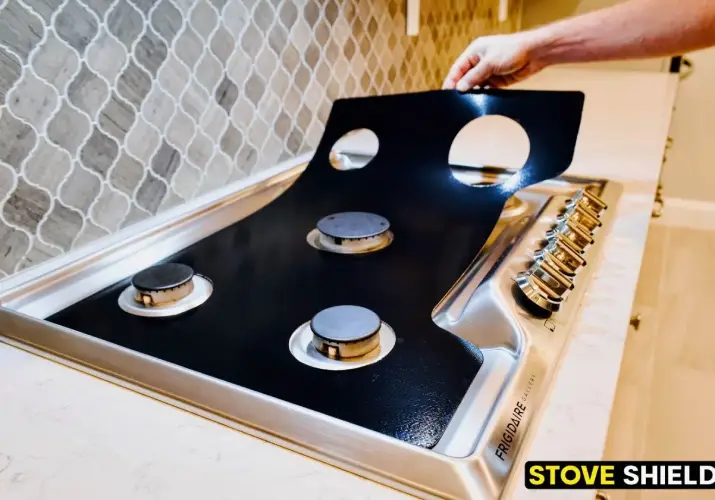
After ruining several towels and spending too much time scrubbing my stovetop, I started using protective covers during particularly intensive cooking sessions. The investment pays back quickly in reduced cleanup time and less stress about splatter while you’re trying to focus on timing.
Stovetop protectors work especially well for curry-heavy cooking. Paste and coconut milk create stubborn stains if they bake onto stovetop surfaces. A fitted cover catches splatter during the blooming step and wipes clean easily afterward.
For gas stovetops, Stove Shield offers custom-fit protectors designed for specific stove models. They sit flat and include a non-stick surface for easy cleanup. The 0.5-0.6mm thickness handles the heat without affecting cooking performance.
The real benefit isn’t just cleanup; it’s cooking with less stress. You can focus on technique and timing rather than worrying about the mess you’re creating. That mental freedom actually improves your results.
Whether you use a Stove Shield or simple solutions like aluminum foil around burners, some form of splatter management makes Thai cooking more enjoyable. The cuisine demands your attention on the food, not the cleanup.
Ingredient Substitutions When You Cannot Find the Real Thing
Not everyone lives near an Asian grocery store. Here’s what works when authentic ingredients aren’t available.
| Authentic Ingredient | Acceptable Substitute | Notes |
|---|---|---|
| Thai basil | Italian basil | Different flavor but still tasty |
| Galangal | Fresh ginger | Use 75% the amount; more pungent |
| Kaffir lime leaves | Lime zest | 1 tsp zest per leaf called for |
| Lemongrass | Lemon zest + small amount ginger | Approximates the flavor |
| Palm sugar | Brown sugar | Nearly identical in cooking |
| Tamarind paste | Lime juice + small amount brown sugar | Different but functional |
| Fish sauce | Soy sauce + small amount anchovy paste | Lacks depth but works |
| Thai chilies | Serrano peppers | Less heat; maybe use 50% more |
| Shrimp paste | Anchovy paste + fish sauce | Different but provides umami |
| Coconut milk | Coconut cream diluted with water | Check that it’s unsweetened |
These substitutions produce different results than authentic ingredients, but they create enjoyable dishes. As you discover sources for real ingredients, you’ll notice improvement with each upgrade.
Taking Your Thai Cooking Further
Once you’re comfortable with basics, several paths lead to deeper exploration.
Build Your Reference Library
“Thai Food” by David Thompson remains the most comprehensive English-language Thai cookbook. It’s dense but rewarding for serious students of the cuisine.
Pailin Chongchitnant’s “Hot Thai Kitchen” offers accessible recipes from an authentic Thai perspective with excellent video tutorials on her YouTube channel.
Mark Wiens’ “Eating Thai Food” provides insights from someone who has spent years documenting Thai food culture in Thailand itself.
Explore Regional Dishes
After mastering Central Thai basics, branch into Isaan dishes like larb and som tum. Northern Thai khao soi makes an excellent weekend project. Southern curries challenge your spice tolerance.
Make Curry Paste from Scratch
Store-bought paste works well, but homemade paste reaches another level. The process requires a mortar and pestle and about 30 minutes of pounding, but the aroma and flavor reward the effort.
Connect with Communities
The r/ThaiFood subreddit offers helpful advice and recipe troubleshooting. Quora discussions address specific technique questions. YouTube comment sections often contain gems from experienced home cooks.
Conclusion: Start Simple, Build Skills
Thai cuisine offers lifelong exploration for home cooks willing to learn its rhythms. The bold flavors, quick techniques, and endless variations keep cooking interesting year after year.
Start with the Thai pantry basics: fish sauce, coconut milk, curry paste, and rice. Try Thai Basil Chicken for a fast weeknight dinner. Move to Pad Thai when you’re ready for more technique. Graduate to curries as your confidence grows.
Don’t worry about perfection. Your first attempts will taste better than takeout simply because you’re eating fresh-from-the-pan food made exactly how you want it. Each dish teaches something that makes the next one better.
The equipment matters less than the ingredients. The ingredients matter less than the technique. And the technique only develops through cooking, tasting, adjusting, and cooking again.
Get your pan hot. Prep your ingredients. Trust your senses. Thai cooking rewards the bold.
Sources
- Hot Thai Kitchen – Pailin Chongchitnant – Professional Thai chef providing authentic recipes, technique tutorials, and ingredient guides. Referenced for traditional cooking methods and flavor balance principles.
- Serious Eats: The Food Lab Guide to Thai Cooking – Science-based approach to Thai cooking techniques, particularly wok skills and curry methodology.
- Reddit r/ThaiFood: Essential Ingredients Discussion – Community-sourced ingredient recommendations and brand suggestions from experienced home cooks.
- NYT Cooking: Thai Cuisine Collection – Tested recipes with detailed instructions and troubleshooting notes from professional recipe developers.
- Institute of Culinary Education: Thai Cooking Techniques – Professional culinary school perspective on fundamental Thai methods and equipment guidance.
- EatingWell: Essential Thai Ingredients – Comprehensive pantry guide with health and nutrition context for Thai cooking staples.
- Quora: Restaurant-Quality Thai Curry at Home – User discussions on bridging the gap between home and restaurant results.
About the Author
Ben Karlovich is an expert in the stove niche and has spent his career creating products and accessories that enhance household kitchen stoves. In 2016 he launched stovedecals.com(Stove Decals brand) and was the first to create and offer replacement stove decals across thousands of stove models. In 2022 he created stoveshield.com (Stove Shield brand) focused on stove top protectors, a patented knob panel protector, and other useful stove accessories fitted for your exact stove model. This niche expertise helps bring a unique blend of creativity and innovation to every article post.
Disclaimer: This article is for informational and educational purposes only and should not be relied upon as the sole basis for purchasing decisions. Product specifications, pricing, and availability are subject to change – contact the relevant manufacturer or retailer for the most current information. Stove Shield is not affiliated with and receives no compensation from any brands mentioned in this article.