

Key Takeaways
- A quality stovetop protector can extend your stove’s lifespan by preventing scratches, stains, and burnt-on residue that lead to damage and costly repairs
- Custom-fit protectors with 0.5mm+ thickness provide better protection than thinner alternatives
- Easy to clean by hand washing or wiping down on the stovetop
- The average stove repair costs between $150-$400, making a $80 protector a no-brainer buy
- Stovetop protectors are fitted for all major gas stove brands like LG, Samsung, GE, Frigidaire, KitchenAid, Whirlpool, Forno, Dacor, Bosch and Wolf
Your stovetop takes more abuse than almost any other surface in your kitchen. Think about it: multiple times a day, it handles extreme temperature swings, grease splatters, acidic tomato sauce drips, and rough scrubbing. After testing several stovetop protectors over the past two years in my own kitchen—and watching my built-in cooktops go from looking brand new to showing serious wear—I learned firsthand how much of a hassle cleaning can be without a stovetop protector, and how a protector can make cleaning easy while extending the life of your stovetop.
This guide breaks down exactly why stovetop protection matters, what to look for in a quality protector, and how proper care can save you hundreds in repair and replacement costs.
Why Stovetop Protection Actually Matters
Most stovetop damage happens gradually. You might not notice the accumulation of micro-scratches from scrubbing or the discoloration from grease that seeps into the surface finish over months of cooking. By the time the damage becomes visible, it is often too late for simple cleaning to fix.
The Real Cost of Unprotected Stovetops
According to appliance repair industry data, the average cost to repair a damaged stovetop surface ranges from $150 to $400, depending on the brand and extent of damage. For premium ranges from manufacturers like Wolf or Viking, repairs can exceed $600. Complete stovetop replacement typically runs $300-$800 for standard models and over $1,000 for high-end units.
Compare that to a quality stovetop protector at $80, and the math becomes clear: protection is not only more convenient when it comes to cleaning, but significantly cheaper than repair.
What Causes Stovetop Damage?
Understanding how damage occurs helps explain why protection works:
Physical damage: Aggressive scrubbing create scratches that accumulate over time.
Chemical damage: Harsh cleaning chemicals and acidic foods like tomatoes, citrus, and vinegar can etch into stainless steel and enamel finishes. Grease that is not cleaned promptly bonds to surfaces and becomes increasingly difficult to remove.
How Stovetop Protectors Work
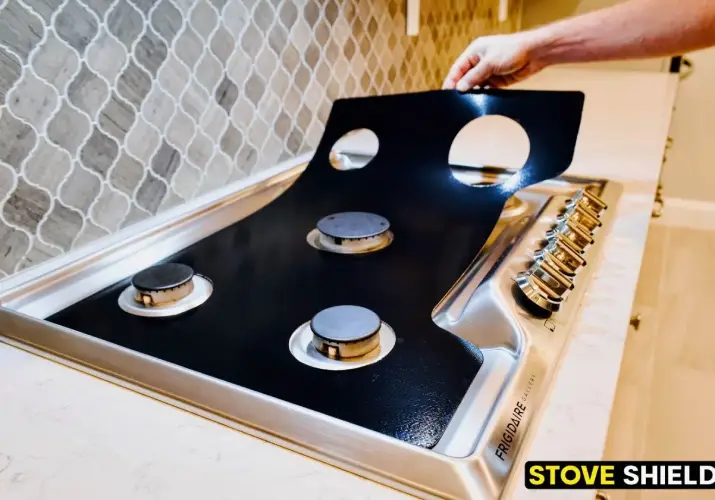
A stovetop protector creates a barrier between your cooking surface and these damaging elements. Most stovetop protectors are made from non-stick, PTFE-coated fiberglass.
Understanding Materials and Specifications
Non-stick, PTFE-coated fiberglass: This material offers the best combination of heat resistance (typically up to 500°F), flexibility for custom fitting, and non-stick properties that make cleaning simple. These protectors are NOT intended to be cookware, but still offer BPA-free qualities.
Thickness matters significantly. Budget protectors often measure just 0.15-0.3mm thick. These thin liners are often flimsy and not as durable as premium protectors. Premium protectors measuring 0.5mm+ are more sturdy and durable—a difference you can feel immediately when handling them.
Custom fit vs. universal: Universal protectors require trimming and often leave gaps around burners. Custom-fit protectors designed for specific stove models provide precise cutouts for your exact burner configuration.
The Shipping Factor Most People Overlook
Here is something I learned after ordering several different protectors: how a product ships affects its performance. Protectors that arrive rolled or folded often have creases that never fully flatten, creating uneven surfaces that collect spills and look sloppy. Products shipped flat maintain their shape and lie perfectly against your stovetop from day one.
Key Benefits of Using a Stovetop Protector
1. Prevents Long-Term Surface Damage
The primary function of any protector is creating a sacrificial barrier. Scratches, stains, and burnt-on residue affect the protector instead of your stovetop surface. When the protector shows wear, you replace a $80 accessory instead of repairing or replacing an $800 appliance.
2. Dramatically Reduces Cleaning Time
Without protection, cleaning a stovetop after cooking often means scrubbing your stovetop, degreasing multiple crevices, and dealing with burnt-on spills. With a protector in place, most messes wipe away in seconds. For deeper cleaning, you simply remove the protector, wipe down the surface underneath (which stays remarkably clean), and wash the protector at your sink.
In my experience, stovetop cleaning went from a 15-20 minute weekly chore to almost nothing.
3. Maintains Stainless Steel Appearance
Stainless steel stovetops show scratches and discoloration particularly easily. The brushed finish that looks beautiful in showrooms quickly shows wear patterns from daily use. A protector keeps the original finish pristine, which matters both for daily enjoyment, longevity and eventual resale value.
4. Eliminates Need for Harsh Chemical Cleaners
When burnt-on residue accumulates, many homeowners resort to aggressive cleaning products which can be harmful and can further damage stovetop finishes. A protected surface rarely develops the kind of buildup that requires chemical intervention. Simple soap and water handles most cleaning needs.
Popular 2026 Stove Models That Benefit From Protection
Families frequently invest in stovetop protection for high-use ranges where surface quality directly impacts both performance and aesthetics. These models represent some of the most searched gas stoves in 2025:
30-Inch Gas Ranges
LG Model LRGN6323Y — Popular among home cooks for consistent performance and smart features.
Samsung Model NX60A6511SS — One of the most frequently purchased 30-inch stainless steel gas ranges.
36-Inch Gas Ranges
Frigidaire Model GCFG3661AF — Appreciated for powerful burners and clean layout. The larger surface area means more potential for spill damage.
GE Model CGY366P2TS1 — Known for modern design and high consumer interest. Premium price point makes protection especially worthwhile.
48-Inch Professional Ranges
Wolf Model SRT486G — A premium large-format range where surface repairs can easily exceed $600. At this price point, protection is essential.
What to Look For When Choosing a Stovetop Protector
Not all protectors deliver equal results. Based on extensive testing and community feedback from homeowners, here are the factors that matter most:
Material Quality and Thickness
Look for PTFE-coated fiberglass with a minimum thickness of 0.5mm. Thinner materials can wear quickly and are flimsy. The difference between a 0.1-.3mm and 0.5mm protector is immediately apparent in handling—thicker protectors feel substantial and are more sturdy.
Custom Fit Design
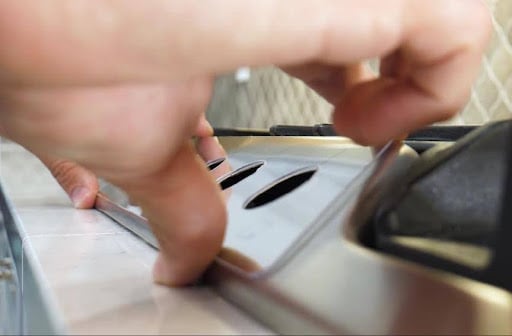
One-piece custom-fit designs that match your exact stove model outperform generic multi-piece solutions. Custom protectors provide seamless coverage without gaps that collect debris or edges that catch on cookware. Some stovetops require a 2, 3 or 4-piece protector due to the contour of the stovetop molding.
Flat Shipping
As noted earlier, how the product ships matters. Protectors that arrive flat maintain their shape. Rolled products may retain curls or creases that prevent proper contact with your stovetop surface.
Warranty and Customer Service
A strong warranty indicates manufacturer confidence. Look for warranties of 365 days. Some brands offer only 14-30 day warranties, which provides little protection against defects that appear after extended use.
Research customer service reputation before purchasing. Online review platforms show significant variation in how different companies handle issues.
Price vs. Value
The cheapest option is rarely the best value. Budget protectors priced under $60 typically use thinner materials and poor-fit designs. A premium protector in the $70-80 range from a reputable company will outlast several cheaper alternatives while providing superior protection.
Stove Shield offers an excellent balance of quality and value: custom-fit 1-piece designs at 0.5-0.6mm thickness, flat shipping, and a 365-day product warranty at $79.99. Other brands charge $110+.
Proper Care and Maintenance
Maintaining your stovetop protector correctly ensures maximum lifespan and performance. Many users make mistakes that shorten protector life unnecessarily.
Cleaning Your Protector
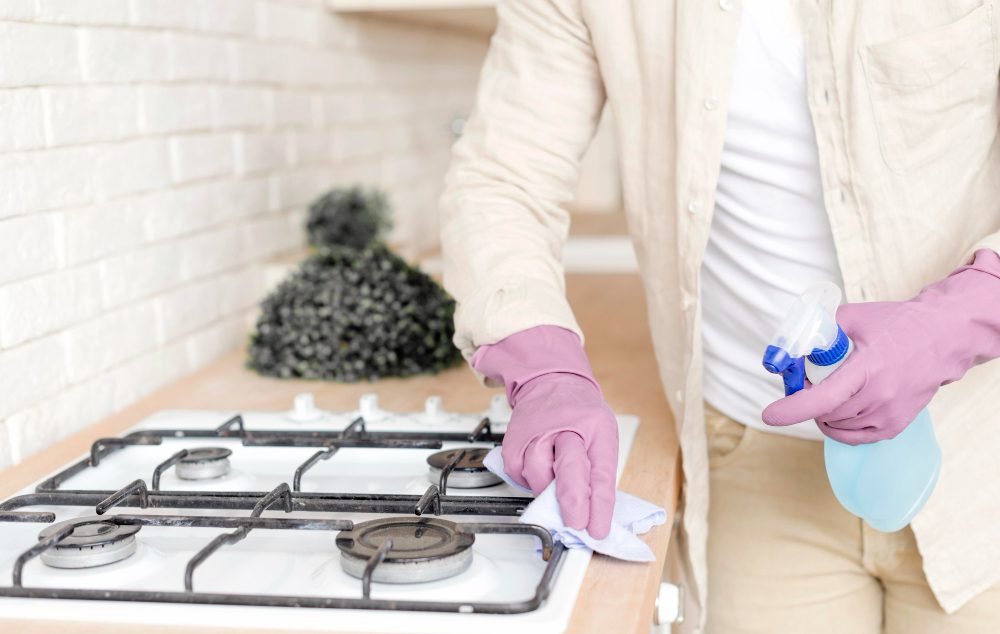
For daily cleaning: Wipe the protector down directly on your stovetop using a damp cloth. Most spills wipe away immediately thanks to the non-stick surface.
For deeper cleaning: Remove the protector and hand wash at your sink with warm water and dry the protector immediately. A soft sponge removes any stubborn residue.
Critical warning: Never place your protector in the dishwasher and avoid soaking your protector for extended periods. This can cause warping.
Handling After Cooking
One common misconception: the protector itself is NOT cookware. Because the protector is not directly overtop the burner pads, the protector does not heat up significantly during cooking. What gets hot are the grates sitting on top of it. Wait for your grates to cool before lifting them to access the protector underneath. The protector can typically be handled safely once the grates are removed.
Frequently Asked Questions
Why do people use stovetop covers?
Stovetop covers and protectors serve primarily to prevent spills, scratches, and stains from damaging the stovetop surface. They make cleaning easier, extend the appliance’s lifespan, and keep the cooking area looking new. Some homeowners also use covers to create additional counter space when the stove is not in use.
Are stovetop protectors safe for gas stoves?
Yes, quality protectors made from non-stick PTFE-coated fiberglass are specifically designed for gas stovetops. They can withstand temperatures up to 500°F. The protector sits on the stovetop surface around the burners—not over the flames—so there is no interference with gas flow.
Do stovetop protectors prevent scratches?
Absolutely. This is one of their primary functions. The protector absorbs the impact and friction from cleaning sprays and rough scrubbing that would otherwise scratch your stovetop surface directly. Premium protectors with 0.5mm+ thickness provide excellent scratch resistance.
How long do stovetop protectors last?
With proper care (hand washing, immediate drying, no dishwasher), a quality protector typically lasts 1-2+ years of regular use. Higher-quality, thicker protectors tend toward the longer end of that range. Some protectors are backed by a 365-day warranty and offer replacement coverage during the first year of use if they become damaged.
Are stovetop protectors worth the investment?
For anyone who cooks regularly or has a strong distaste for cleaning their stovetop, yes. The cost comparison is straightforward: a $80 protector vs. $150-$600 in repair costs or $300-$1,000+ for stovetop replacement. Beyond the financial math, protectors also save significant cleaning time and keep your kitchen looking better.
How do I protect my stainless steel stovetop?
A custom-fit non-stick fiberglass protector provides the best protection for stainless steel surfaces. The protector prevents scratches, guards against grease stains and chemical etching from acidic foods, and makes cleanup much faster. Choose a protector specifically designed for your stove model for optimal coverage.
Conclusion
Protecting your stovetop is one of the simplest ways to extend the life of a major kitchen appliance while reducing cleaning time and maintaining your kitchen’s appearance. The investment is modest compared to the cost of repairs or replacement, and the daily benefit of easier cleanup makes cooking more enjoyable.
If you cook regularly on a gas stovetop, a quality protector pays for itself quickly. Look for custom-fit designs with substantial thickness (0.5mm+), flat shipping to ensure proper fit, and strong warranty backing. Stove Shield checks all these boxes while remaining more affordable than many competitors.
Your stovetop handles daily abuse—give it the protection it deserves.
Sources
- Consumer Reports: Stove Gap Covers Review – Testing and evaluation of stovetop protection products
- Ask.com: Top 5 Benefits of Using Stove Top Protectors – Overview of stovetop protector benefits
- Reddit r/DIY: Silicone Stove Protector Discussion – Community discussion on protector materials and effectiveness
- Stove Shield FAQ – Manufacturer specifications and care instructions
- Wyandotte Homes: Benefits of a Stove Top Cover – Analysis of stovetop protection benefits
About the Author
Ben Karlovich is an expert in the stove niche and has spent his career creating products and accessories that enhance household kitchen stoves. In 2016 he launched stovedecals.com(Stove Decals brand) and was the first to create and offer replacement stove decals across thousands of stove models. In 2022 he created stoveshield.com (Stove Shield brand) focused on stove top protectors, a patented knob panel protector, and other useful stove accessories fitted for your exact stove model. This niche expertise helps bring a unique blend of creativity and innovation to every article post.
Disclaimer: This article is for informational and educational purposes only and should not be relied upon as the sole basis for purchasing decisions. Product specifications, pricing, and availability are subject to change – contact the relevant manufacturer or retailer for the most current information. Stove Shield is not affiliated with and receives no compensation from any brands mentioned in this article.